Businesses are eyeing Germantown opportunities. The neighborhood is proceeding with caution.
The area has a new visitors center and it has welcomed coffee shops and a food co-op. Residents would like restaurants and more retail.
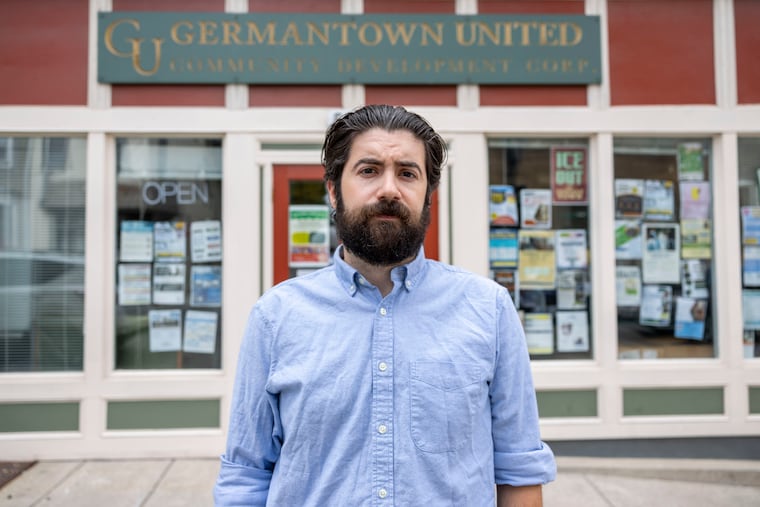
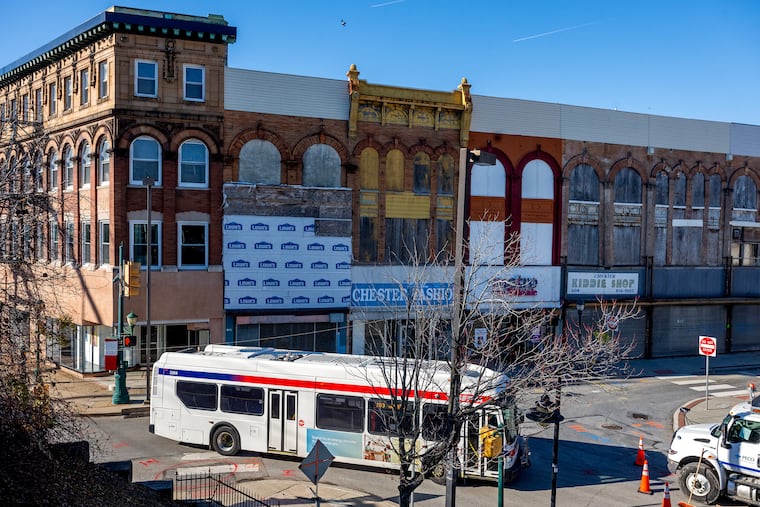
The story that’s told about Germantown’s downtown is often one of disinvestment, but a small contingent of community stakeholders and business owners are hoping to spin a new yarn.
The northwest Philadelphia neighborhood that centers around Germantown Avenue from West Johnson to Berkeley streets has seen controversies in the past decade, from the dismantling of the Germantown Special Services District, to the changing stewardship of Germantown Settlement’s residential properties. Some residents say disengagement from elected officials hasn’t helped.
But forces big and small are working to revitalize the community: Germantown United, the neighborhood’s community development corporation (CDC), recently completed a plan to make Germantown’s business district more walkable. Historic Germantown, the neighborhood’s historical society, in July unveiled its new visitors center that aims to connect Philadelphians and visitors to the area’s deep history. And buzzy storefronts including Uncle Bobbie’s Coffee & Books, Salam Cafe, Weavers Way Co-op, Cupbearer Coffee, and Attic Brewing bring much-needed services and third spaces to the neighborhood.
Leo Dillinger IV, the executive director of Germantown United, said new businesses have been reaching out to the CDC, the first step to lifting the business district up, “but with everything, it takes time.”
“We don’t want the corridor to change like a light switch and all of a sudden it’s actively populated with a bunch of businesses that aren’t offering affordable goods and services,” Dillinger said. “That leads into the fears of gentrification and displacement that are a major concern for the Germantown community.”
Connecting corridors in Germantown
While it has the CDC, Germantown lacks a business improvement district to fund and oversee improvements to the area. And with the 2019 disbanding of the Germantown Special Services District, after accusations of mismanagement and misappropriation of funds, the neighborhood lost a body tasked with keeping its main business corridors clean.
“We lack structure in order to have a commercial district that is thriving,” said Patrick Jones, a Germantown resident who has organized community members around efforts to redevelop its public spaces and city-owned large vacant properties. “A lot of us feel as though Germantown is a forgotten community in the eighth council district.”
Jones said residents would like to see Germantown bring in a selection of sit-down restaurants and middle-class big box stores like Target or Giant. Dillinger said the CDC gets similar feedback.
“Right now if you want to sit down and have a nice meal, you have to go outside of Germantown to do that,” Jones said. The addition of Uncle Bobbie’s and its cafe in 2017 “started moving us in the right direction, but we want to see an actual restaurant in Germantown and it’s just difficult to do that with the way things are right now.”
Having more organizational support beyond the CDC might allow that, he says.
“We’re lacking the resources to put attention towards advocating for ourselves,” said Laura Lacy, co-owner of Attic Brewing Company, near Wayne Junction. “You can immediately see the change when you’re driving [out of Germantown]. As you get into Mount Airy, you start to see hanging flower baskets and landscaping on corners and trash cans.”
The neighborhood’s existing business hubs also feel disconnected. That’s an issue that Germantown United is addressing with a five-year plan to better connect West Chelten Avenue, Maplewood Mall, and Market Square for pedestrians. They’re pushing for better overhead lighting, connecting business owners with the Department of Commerce’s business security camera program, and addressing cleanliness and improving greenery.
The plan also includes connecting with absentee landlords to discuss how their properties can better serve the community, Dillinger said. These landlords are at the heart of the problem, locals say.
“There’s just a lot of commercial property owners who don’t care,” Dillinger said. “There are some who do and are invested in their properties and making sure that their tenants succeed. There are also commercial properties that are sitting in a portfolio of developers and, as a result, they just start to deteriorate.”
Street safety is also a major community concern after a spate of hit-and-run fatalities. This is a significant challenge for Attic Brewing, Lacy said.
Its location near Wayne Junction removes it from the commercial heart of the neighborhood, and her landlord’s promises to develop surrounding lots into complementary businesses never panned out. It all amounts to less visibility and awareness of pedestrians in the area.
“We’re talking about the safety of our team members ... We’re talking about the safety of our customers,” Lacy said.
So too are the two vacant lots near Attic, which were part of a development plan years ago, Lacy said. “At what point does the city take it back? At what point does it become like you can’t just let this sit abandoned like this?”
Councilmember Cindy Bass, who represents the area, declined to comment for this story.
Signs of new life
Still, business activity is underway in Germantown.
Indego, Philadelphia’s bike share program, will enter Germantown this fall with 10 to 12 stations from Wayne Junction to Chester Avenue.
Historic Germantown’s Visitor Center opened in July. It’s a jumping-off point to access the neighborhood’s vast cache of historic cultural sites, which drive about 125,000 visits from the public and 25,000 from staff and volunteers annually who spend about $10 million in and around Germantown, according to Tuomi Forrest, Historic Germantown’s executive director.
“Our goal is that people get so interested and excited that they want to come back or expand their visits here,” Forrest said.
A few new businesses on West Chelten Avenue are invigorating the area. Weavers Way Co-op’s Germantown store, which opened in May 2024, has “exceeded projections since day one, and our membership in Germantown has continued to grow,” said general manager Jon Roesser. The co-op is open to the public, but its roughly 2,400 Germantown members get discounts and other benefits.
“We bring a lot of foot traffic to the avenue, we have about 1,000 transactions a day,” Roesser said. “That’s 1,000 people a day coming to the corner of Chelten and Morris that previously was exactly zero because the building was abandoned.”
Complimentary businesses have popped up nearby, including Cupbearer Coffee, Das Good Cafe, and Nutrition and Herbs Center.
Uncle Bobbie’s Cafe and Books is expanding its neighborhood footprint this fall and moving up Germantown Avenue from its current location at Church Lane into a 3,000-square-foot spot at the intersection of Washington Lane.
“We are excited to be in a position to grow, bring people together, and read great books,” Justin Moore, the bookstore’s general manager, told the Inquirer in April. “Most importantly, we are excited to further and deepen our ties in Germantown as a community hub.”
And Attic Brewing Company took gold at the World Beer Cup in May for its international dark lager, Common Nightjar.
“One of the best beers in the world is brewed here in Germantown,” Lacy said. At the same time, from a financial standpoint “our business is in the worst spot it’s ever been in in six-and-a-half years.”
Attic needs to “exponentially increase the number of people” coming into the tap room to be viable, Lacy said. Getting other restaurants into the area could help. Lacy said Attic started Bad Nina’s gourmet hot dog cart because food trucks wouldn’t come to the neighborhood and the area lacks sit-down restaurant options for their patrons.
“We know that our product, our service, our space is one of the best in the city,” she said, so as the business struggles, “we start to wonder if maybe we picked the wrong location.”