Better communication skills and ethical use of AI: How NBME’s new CEO sees the future of medicine
The National Board of Medical Examiners develops exams for medical licensing. Suzanne Anderson, the next CEO, will lead NBME as the skills and competencies needed to practice medicine evolve.
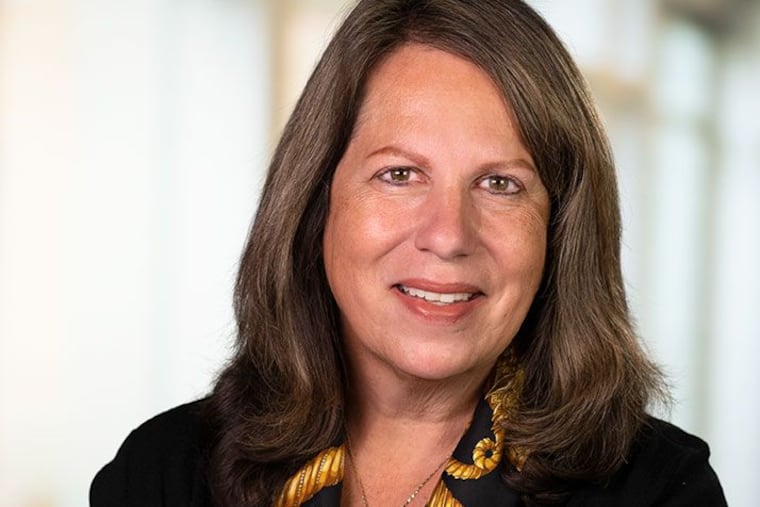
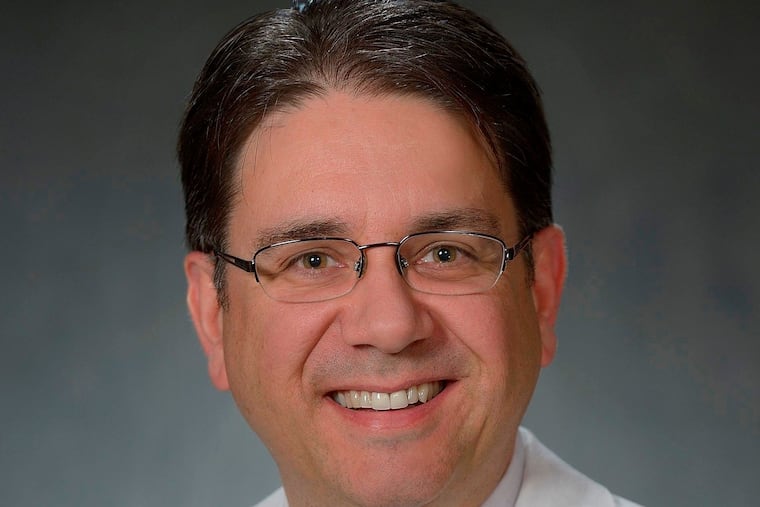
The National Board of Medical Examiners has named Suzanne Anderson the next CEO of the Philadelphia-based nonprofit that develops exams for medical licensing.
She will succeed Peter Katsufrakis, who has led the organization since 2017, the board announced Monday.
Anderson, who starts in October, will help steer the organization as the skills and competencies needed to practice medicine evolve. The organization creates the United States Medical Licensing Examination and other tests for medical students and resident physicians.
Anderson anticipates greater emphasis on communication skills, the ethical use of AI, and what happens outside of the clinic setting.
“Without having these assessments that ensure that people are developing the skills that they need, we wouldn’t have as high-quality a workforce as what we want in healthcare,” Anderson said.
Anderson most recently served as regional president of SSM Health Wisconsin, a not-for-profit health system. She has also been involved in the National Board of Medical Examiners for the last 20 years, chairing the board and volunteering on committees.
The Inquirer spoke to Anderson about the future of medicine in an interview lightly edited for length and clarity.
What is your vision as the incoming CEO?
My entire career, I’ve been really focused on the patient experience, quality and safety, and effective operations. The priorities for NBME will be to continue to innovate — because things are changing so rapidly — in order to continue to meet the needs of health professionals.
That’ll mean focusing on competencies in addition to medical knowledge. Things like critical reasoning, communication, professionalism, and other competencies ensure that we have high-quality healthcare professionals.
How have the exams evolved?
Communication skills, as an example, are something that NBME is focused on and has new assessments to address. The goal is to help people have better communication with their patients and families.
There are specific components of communication skills, in terms of creating a connection to the individual that you’re communicating with and communicating clearly in language that everyone can understand. It’s empathy.
Are there any other trends that you’re seeing in how future doctors are tested and trained?
One obvious trend is how AI will inform the development and assessment of skills. NBME has focused a lot on how we can use AI to support the human actions involved in providing human-centric care, as well as on the ethical use of AI.
When professionals are presented with information from AI, how do they evaluate it critically and ensure that they’re getting the right information to support particular circumstances? And then, also, how can NBME use AI to help streamline the examination development process?
What does the future of medicine look like?
The future of medicine is going to be highly collaborative, with health professionals across all disciplines working together to meet people’s needs. There’ll also be more focus on what happens in the home.
How do we help professionals work with patients outside of the normal office setting or hospital setting? You see it on the consumer side with wearables and having much more information at your fingertips that can help support the care that’s provided to you in more formal settings.
How do you feel about becoming the next CEO?
It’s an organization that is already performing at a very high level, and I’m just excited to be able to continue to help advance the mission.