Trump bars some South Africans over claims of anti-white discrimination
South Africa’s foreign minister, Ronald Lamola, said Washington’s unilateral action “once again aligns with the misrepresentation of South Africa’s domestic policy by fringe groups.”
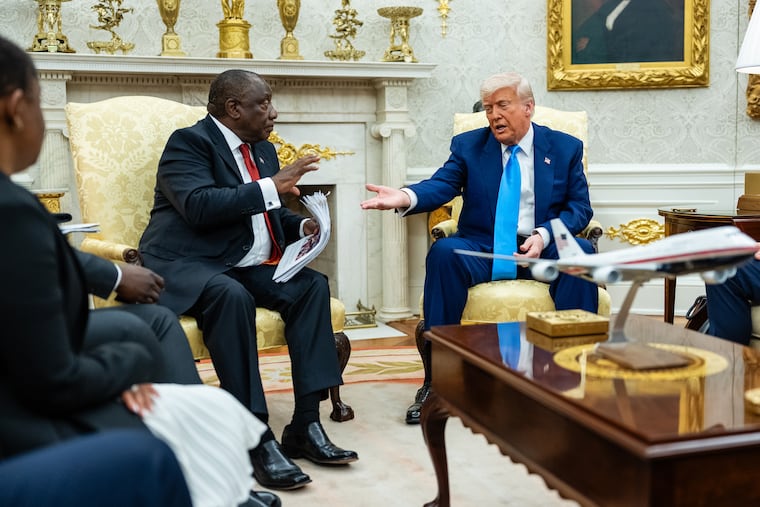
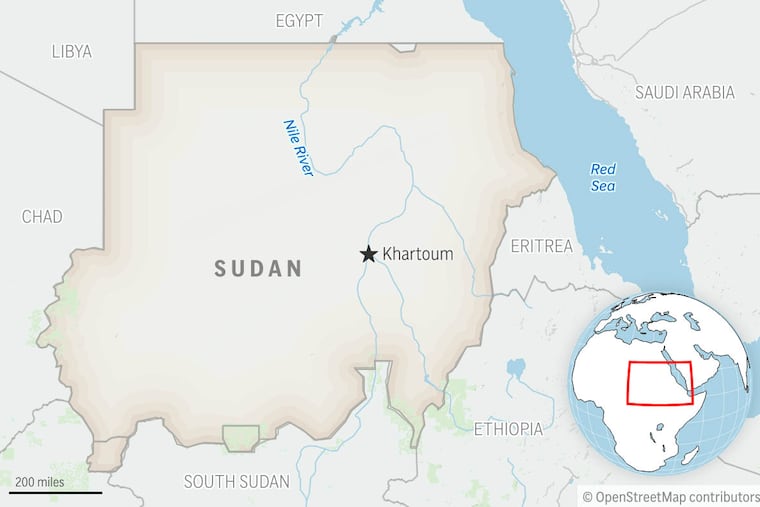
JOHANNESBURG — The Trump administration imposed visa restrictions on selected South Africans on Tuesday and warned that it could take further punitive actions if South African leaders did not address President Donald Trump’s concerns over what he sees as discrimination against white people.
The visa policy expands the administration’s efforts to punish South Africa since Trump last year accused the government of seizing land from Afrikaners, a white South African minority, and allowing them to be killed in what he has labeled genocide. Claims of genocide against white South Africans are widely acknowledged as false, and President Cyril Ramaphosa has said Trump’s policies toward South Africa are racist.
The visa restrictions will prevent selected individuals from entering the United States. Under law, the government is not allowed to publicly disclose who is affected.
In a statement, Secretary of State Marco Rubio said the United States remained “gravely concerned about racially motivated crime and government-sponsored discrimination occurring against the Afrikaners and other minority populations in South Africa.”
He said the restrictions would target South Africans involved in race-based discrimination, those responsible for a law that enables the government to seize land without compensation, and those who incite violence against racial minorities.
In a statement, South Africa’s foreign minister, Ronald Lamola, said Washington’s unilateral action “once again aligns with the misrepresentation of South Africa’s domestic policy by fringe groups.” He called on the United States to respect South Africa’s sovereignty on handling domestic issues.
The policy was announced less than three weeks after Ramaphosa met with the U.S. ambassador, Leo Brent Bozell III. The South African government described the engagement as “an opportunity to strengthen and recalibrate” the relationship between the countries.
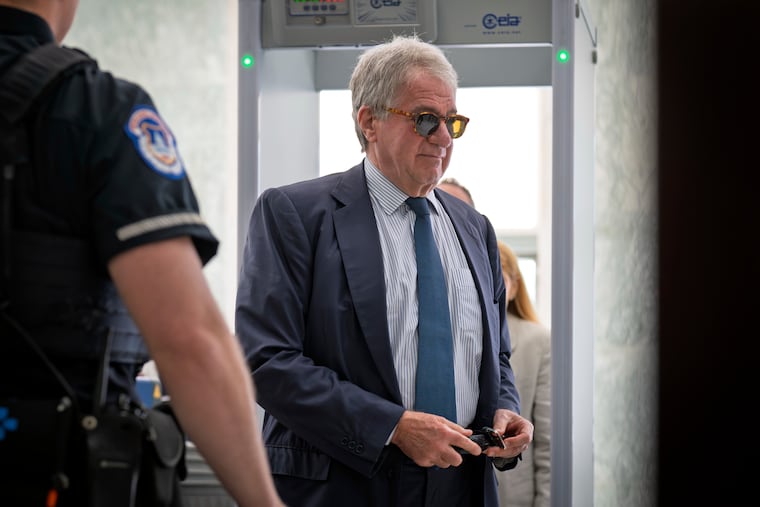
In a social media post Wednesday, Bozell said he had “attempted time and again to express” that South Africa could face severe consequences if it did not take action on the administration’s demands, which include exempting American companies from Black ownership requirements and rolling back a land expropriation law.
“This visa restriction policy is only the first step in a series of escalatory measures that will show America’s firm resolve in this matter,” Bozell wrote.
The U.S. move was the latest sign of the deteriorating relationship between the United States and South Africa.
This article originally appeared in the New York Times.