Philly voters approve ballot questions that change city contract bidding and make the arts office permanent
The change to the city’s contracting process marks a shift advanced by Mayor Cherelle L. Parker’s administration as it moves away from race- and gender-conscious contracting practices.
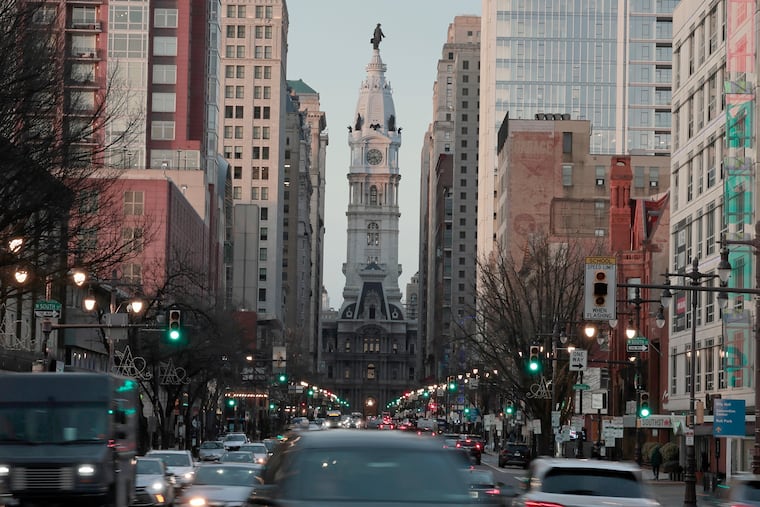
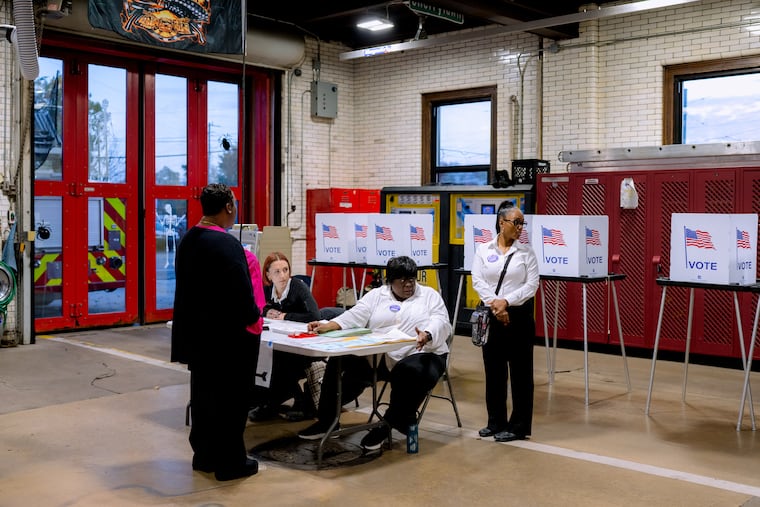
Philadelphia will soon provide advantages to businesses that are certified as “small and local” and bid for city contracts, as well as make permanent its arts and culture office after voters approved two ballot questions Tuesday.
The change to the city’s contracting process marks a shift advanced by Mayor Cherelle L. Parker’s administration as it moves away from race- and gender-conscious contracting practices.
On Tuesday, 78% of voters affirmed the new preferences, according to unofficial returns. The city’s Home Rule Charter — which can only be changed if approved by City Council and at least two-thirds of voters — will be amended to authorize the city to give bidding advantages to small and local businesses, as well as reserve entire contracts that could go only to such enterprises.
The amendment will not change existing language in the charter — which is essentially the city’s version of a constitution — allowing the city to set participation goals for “disadvantaged businesses,” or those that are owned by women, people of color, and people with disabilities.
However, the Parker administration has said it is phasing out that decades-long practice due to new legal precedent at the federal level that bars some affirmative-action style government programs.
The administration has said that certifying businesses as small and local and providing bidding preferences to them will ensure that millions of dollars doled out every year in city contracts will still reach economically disadvantaged firms.
Separately, voters on Tuesday approved a ballot measure making the city’s existing arts and culture office a permanent fixture in the city, and requiring that the mayor appoint a Chief Cultural Officer to lead the agency.
According to unofficial returns, 84% of voters cast ballots to amend the city’s Home Rule Charter to establish the office, known as Creative Philadelphia, effectively ensuring that a future mayor cannot do away with the office.
The office, which is currently led by Valerie Gay, is tasked with promoting arts and culture, as well as overseeing public art programs such as Mural Arts Philadelphia.
The amendment also sets the chief cultural officer’s annual salary at $205,000.