N.J. towns, school districts owe millions to public worker health plans
Some districts that disenrolled years ago haven’t settled debts.
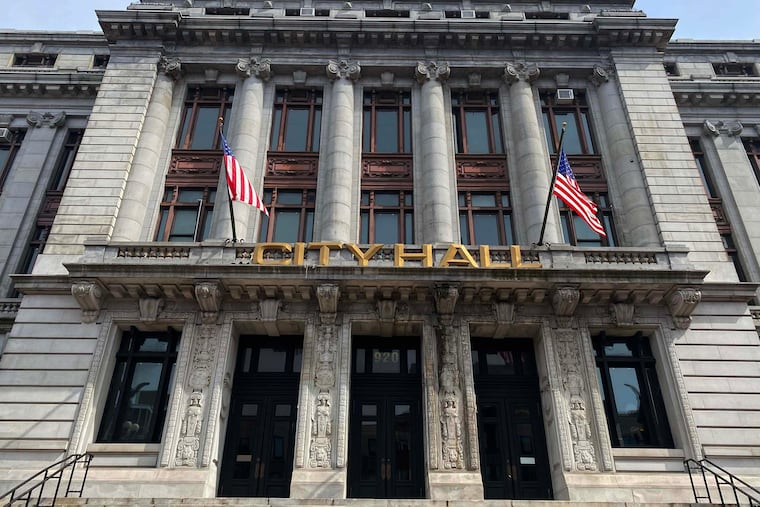
Municipalities and school districts owed New Jersey’s public worker health programs nearly $50.5 million in arrearages earlier this year, months before experts recommended steep rate increases for health plans that insure hundreds of thousands of school and government workers.
The debts owed by nearly 50 local units are part of the mix behind another year of steep premium increases for state-run health plans that have become increasingly unstable in recent years amid what actuaries have called a “death spiral.” Mounting costs drive some towns and school districts to leave the state-run plans for private plans, driving costs yet higher and leaving the state-run plans in distress.
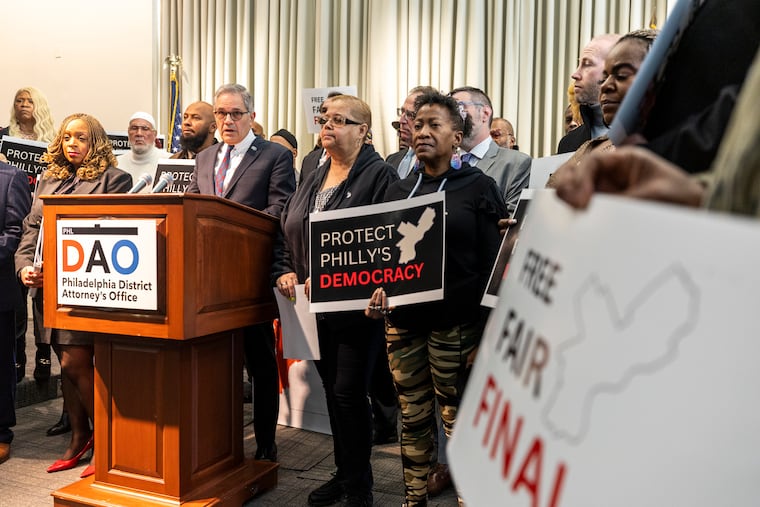
“The delinquent payments just put salt in the wound, and I recognize they are not alone driving the death spiral. Don’t get me wrong — I’m not suggesting they are. But if there’s death by a thousand papercuts, these are quite a few papercuts,” said Assemblyman Mike Inganamort (R-Morris).
Thirty-five local governments owed the State Health Benefits Program $28.1 million in April, while 13 school districts owed $22.3 million to their state-run plan, according to a tally of April arrearages drafted by the Treasury and released by Inganamort.
Though the arrearages are not the main drivers behind trends that could push premiums for current school workers up by as much as 34%, or 17.3% for local government workers, they contribute to rate growth by reducing the amount the state collects in premiums.
“It all adds up,” said Dudley Burge, the AFL-CIO representative for local government workers on the State Health Benefits Commission, which sets rates and approves contracts for the government worker health plans. “A one or one-and-a-half percent decrease in premium helps, right?”
It’s unclear how or whether individual local units’ debts have changed since April in most cases, but the overall level of outstanding balances has ticked up a bit since then. More recently, the plans were owed about $58 million, $43 million to the plan for local government workers and $13 million to the plan for school workers, according to the Treasury. Unlike the data provided to Inganamort, it’s unclear how the $58 million cited by the Treasury breaks out across individual towns and school districts.
Debts are marked delinquent if a town or school district is at least 31 days late on its payments.
The debts varied wildly by size and age. Paterson, which held the largest outstanding debt, owed the State Health Benefits Program $11.8 million in April, while Hope, a Warren County Township with fewer than 2,000 residents, owed just $4.04.
Some of the debts are held by local units that left state-run plans years ago or that have dissolved entirely. While state officials said they continued to work with locals to secure payment, it is unclear when those funds would arrive or, in some cases, if they ever would.
Darryl Isherwood, a spokesperson for the Treasury, said most disenrolled districts eventually pay off their balances. The department had not moved to forgive any debts owed to public worker health plans, Isherwood said.
“Treasury continues to work with local employers to try to collect all outstanding amounts owed,” he said.
The department had boosted outreach to governments in arrears, both to collect what’s owed and to help towns and school districts avoid expulsion, Isherwood said.
In April, disenrolled districts’ debts were significant, accounting for about $26.9 million across school and local government plans.
In general, those debts were concentrated in a handful of units: Newark (which owed $11.4 million), the Hudson County Schools of Technology ($11.6 million), and the Orange Board of Education ($2.4 million).
Both Newark and the Orange school board left state plans in 2023. They last made payments on their debt that February and March, respectively. A spokesperson for Newark did not provide comment.
The Hudson County Schools of Technology last made a payment on its debt last October. They separated from the public plan this February.
Burdge said Paterson’s debt did not appear on a separate report drafted for health benefit commissioners in March, suggesting its arrearages are new. Diana Nunez, a spokesperson for the city, said its debt was related to the timing of state transitional aid and would soon be resolved for the rest of the year.
“Because many of the city’s largest costs come before a significant portion of its revenue is received, the city must prioritize certain payments until those funds become available. If transitional aid were distributed evenly over the course of the year, the city would be current on all of its financial obligations at all times,” Nunez said.
Inganamort said the state should get more aggressive in collecting health benefit debts, including by cutting or withholding state aid to districts that owe money to the state plans.
“What I think we should consider is any public entity that has a delinquent payment to the state, that should be reflected in any aid that they do get from the state of New Jersey, whether it’s to the municipality or the school district,” he said. “I don’t believe we should continue to give aid to entities that owe the state money.”
In some cases, debts may be unrecoverable because the unit that owes them has closed.
That appears to be the case for the Wildwoods Joint Construction Office, which owes government workers’ plan $7,714.45 and, according to Civil Service records, ceased to exist in 2007.
The School Employees’ Health Benefit Commission is due to vote on rate increases for next year on Aug. 19. The State Health Benefits Commission has tentatively set its rate renewal vote for Aug. 26.