‘Forever’ pollution in our rivers | Morning Newsletter
And a spotlight on the sheriff.
The Morning Newsletter
Start your day with the Philly news you need and the stories you want all in one easy-to-read newsletter
Good morning, Philly. Our brief return to summerlike temperatures is winding down. Highs are expected to drop down to the 60s, though the sun should stick around.
Today, we start with a dive into our local rivers, where PFAS were uncovered in more than 90% of Pennsylvania and New Jersey waterways tested.
And, we unpack why it’s difficult to reform city row offices like the sheriff’s office, even when they have been plagued by successive corruption allegations.
Plus, Temple students protest tuition hikes, and more news of the day.
— Laura Benshoff (morningnewsletter@inquirer.com)
If someone forwarded you this email, sign up for free here.
Known as “forever chemicals” because they resist breaking down in nature, PFAS were detected in dozens of waterways in New Jersey and Pennsylvania. Nearly everywhere researchers looked, they found them, according to data from the U.S. Environmental Protection Agency compiled by local environmental groups.
What are they: Per- and polyfluoroalkyl substances (commonly abbreviated to PFAS) are human-made chemicals with dozens of applications, from nonstick pans to firefighting foam.
Health problems: Scientific studies have linked exposure to PFAS to possible reproductive problems, development effects in children, increased risk of some cancers, high cholesterol, and reduced immunity.
Why it matters: The Delaware River is one of the most PFAS-laden waterways. It also provides drinking water to millions. As a result, many water departments have installed, or plan to install, filters that remove most PFAS.
Read on for environment reporter Frank Kummer’s full story.
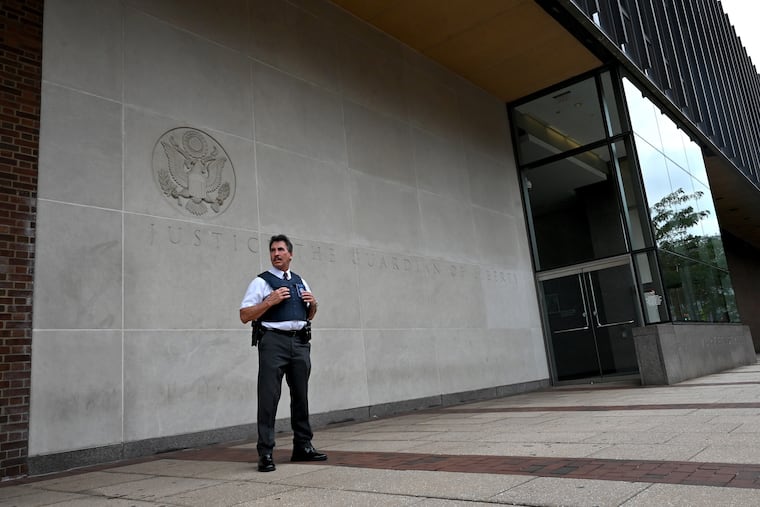
Today, Philadelphia City Council convenes for its regular weekly Thursday meeting. One item that’s not on the agenda? Eliminating the sheriff’s office.
That’s despite renewed calls to abolish it, following an admission last month that the office sat on nearly $20 million meant for public coffers.
The city’s previous five sheriffs have also seen corruption or sexual harassment scandals unfold during their tenures.
Despite this pattern, reforming the office looks anything but sure.
The Inquirer attempted to contact all 17 Council members last week to get their opinion on making a change. Five said they opposed or were skeptical of proposals to eliminate the sheriff’s office. Six Council members indicated they may be open to a conversation about the reforming the office. Six declined to comment or didn’t respond.
Reporters from The Inquirer’s city hall and investigative desks break down why reforming row offices like the sheriff’s office can be a political nonstarter.
What you should know today
Philadelphia’s “ban the box” law prohibited the water department from considering the most serious parts of Eric Lewis’ criminal history, according to officials in Mayor Cherelle L. Parker’s administration.
The federal judge who accused District Attorney Larry Krasner of potentially breaking the law said Wednesday that he will not step back from a case regarding the DA’s office.
A Bucks County man was sentenced to seven-to-10 years in prison for using AI to make deepfake porn of his underage neighbor.
A Haverford College religion professor accused of cyberstalking and making antisemitic threats to a colleague will be detained until trial. He has pleaded not guilty.
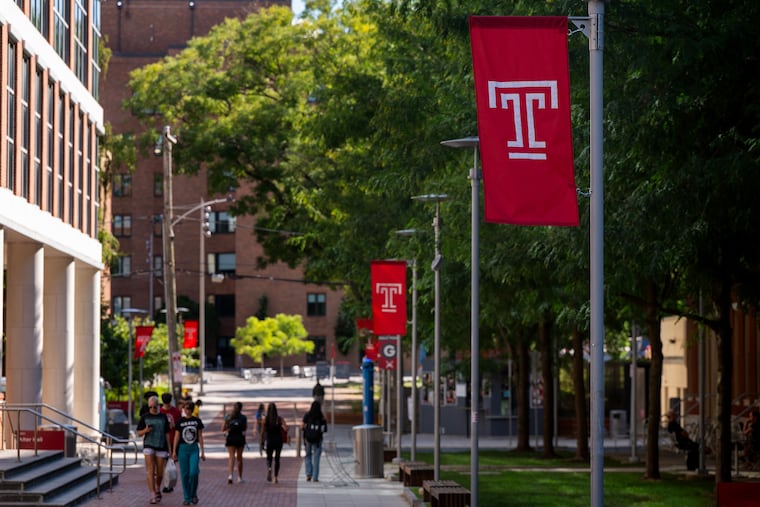
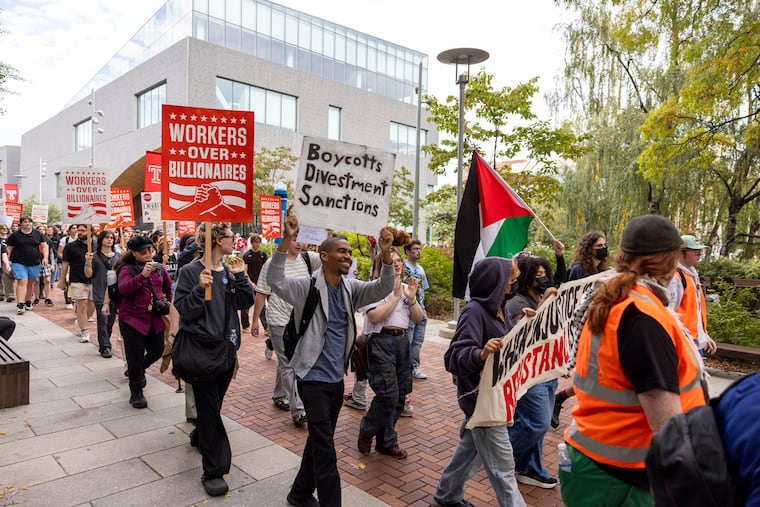
More than 100 Temple University students and employees rallied on Wednesday to protest layoffs and tuition raises this year.
Jefferson Health notified insurance brokers that its facilities could go out of network for Highmark insurance on Jan. 1 if the insurer doesn’t agree to higher payments.
The Atwater Kent Collection, which includes George Washington’s writing desk, will remain under the ownership of the City of Philadelphia.
Giant grocery’s app and website went down this week because of a potential cyberattack, said Giant’s parent company in a statement.
At an inaugural ceremony for an award named after the pontiff, the absence of Pope Leo XIV for lung cancer treatment was palpable, writes higher education reporter Susan Snyder.
🧠 Trivia time
By the year 2030, one in three Pennsylvanians are expected to be over what age?
A) 25
B) 40
C) 60
D) 75
Think you know? Check your answer.
What we’re …
🥬 Pondering. Can vegan restaurants stay competitive? Food writer Michael Klein explores that question through the story of Goodbeet, a Haddon Township restaurant that’s closing at the end of the month.
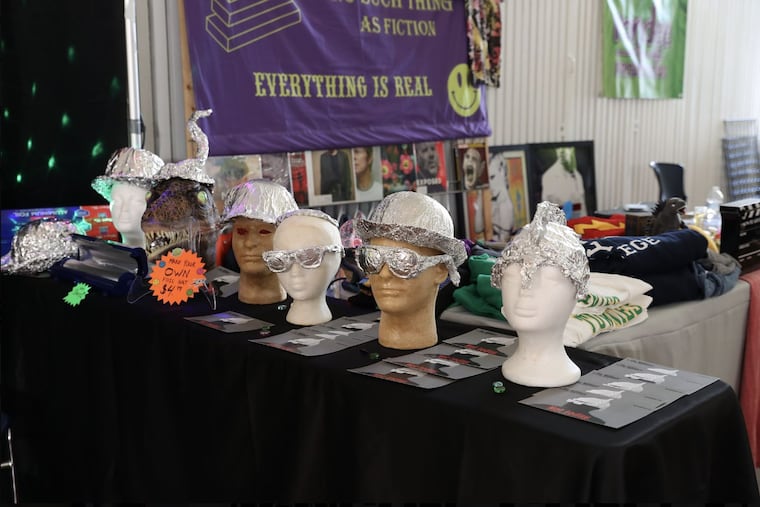
🛸 Questioning. A cryptid costume contest, a tinfoil hat-making station, and a Bigfoot calling championship. You can find all of this at ConCon Expo 2026, a conspiracy theory convention in Wilmington, writes The Inquirer’s Stephanie Farr.
🧑🍳 Learning about. Working in fine dining can be hard on the body. Food writer Kiki Aranita profiles the man who tunes up Philly chefs.
🌱 Problem solving for. Extreme weather is causing crop issues for local farmers and ingredient shortages for local chefs, writes suburban reporter Jess Rohan.
🧩 Unscramble the anagram
Hint: One of the oldest cultivated crops in human history, this classic Asian ingredient is trending on dessert menus in Philly along with flavors like matcha and ube.
BLAMES CAKES
Email us if you know the answer. We’ll select a reader at random to shout out here.
Congrats to Kathy Paulmier, who correctly solved Wednesday’s anagram: One Liberty Place. JPMorgan’s Philadelphia office is leaving this tower and moving several blocks west, to a larger space at 2400 Market St.
Former Inquirer editorial cartoonist Signe Wilkinson paid for her studies at PAFA many years ago by working at the Academy of Natural Sciences. Read her recollections of working at “the best office in the city” here.
👋 Wishing you all a wonderful Friday junior.
By submitting your written, visual, and/or audio contributions, you agree to The Inquirer’s Terms of Use, including the grant of rights in Section 10.