Letters to the Editor | Sept. 10, 2026
Inquirer readers on the closure of the Academy of Natural Sciences museum and the controversy over Flock cameras.
Hidden preferences
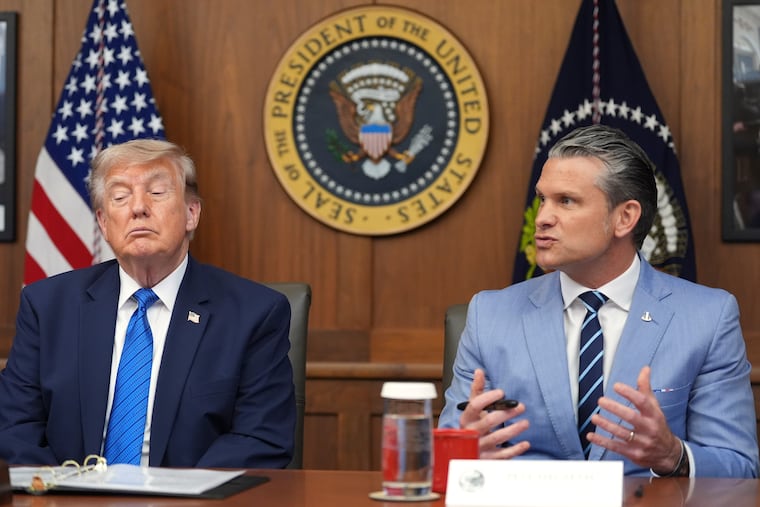
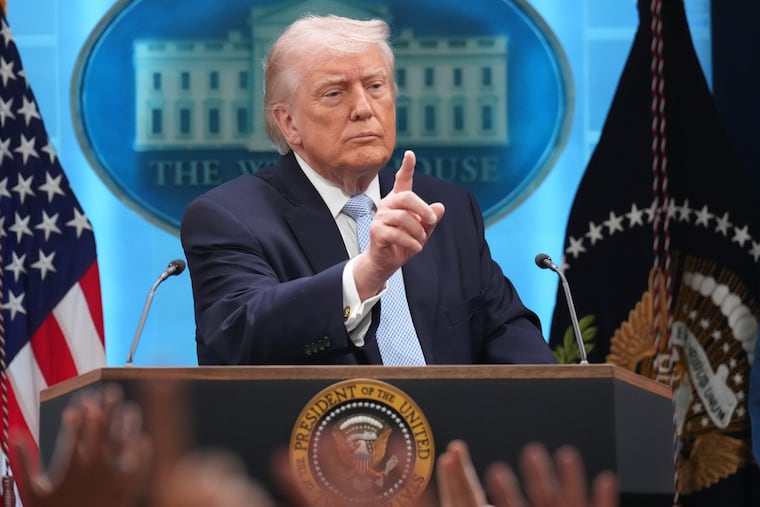
Donald Trump wants to penalize private colleges that continue to consider diversity, equity, and inclusion in their admissions decisions. He says that approach discriminates against white students, and that he wants admission for those with the most merit. But merit is always defined by those in power. Unions give the first choice of plum jobs to those with the most seniority, not necessarily those who are the hardest workers. Civil service exams give extra points to veterans depending on their service records. Universities give some preference to low-income students who may also bring different perspectives into the classroom because it is good for the educational process. We all discriminate, consciously or unconsciously. Affirmative action and DEI are simply measures of accountability. If a bank robber is caught and says he will return the money, “Just trust me,” we would want to count the money returned, would we not?
John Kovach, Wallingford
Flock misguided
The controversy over Flock cameras is misguided. For example, if you live in Philadelphia, the chance you are picked up by a camera is already exceedingly high. The city has deployed hundreds of cameras. Added to that are hundreds more operated by the University of Pennsylvania, Temple, and Drexel — and hundreds more owned by businesses or private citizens. The issue isn’t about whether you are an innocent person whose picture suddenly appears in some database, because, in most cases, it’s already there. If you are in a public place, you have no expectation of privacy.
The real issue is policy around how the information is accessed and used, as well as the security of the data collected. Whenever a serious crime occurs, access to the camera data is often critical to arresting the perpetrator. Politicians should look to tighten the rules governing access to camera data rather than eliminating one of the most useful tools law enforcement has because, even if Flock cameras are banned, cameras are here to stay.
Charles Brennan, retired deputy commissioner, Philadelphia Police Department, Philadelphia
Philly’s loss
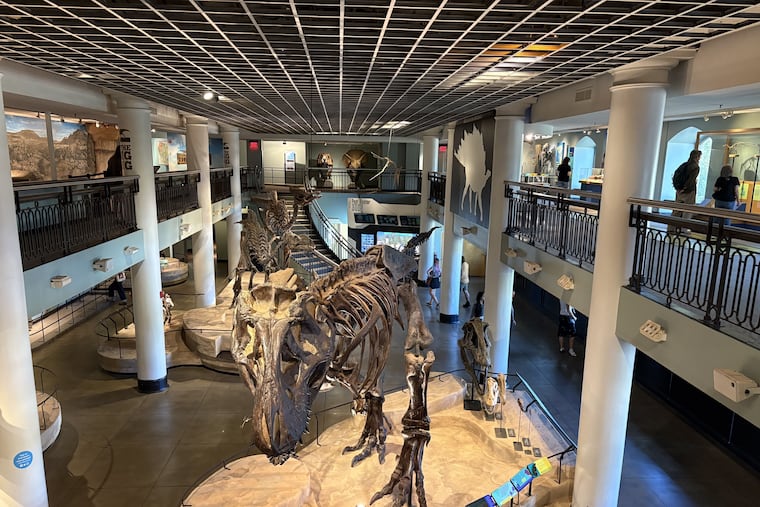
As a longtime volunteer at the Academy of Natural Sciences museum, I have been shocked and grieved at the neglect and inattention that went on there for years. The idea that Drexel University, with its financial woes, could adequately support this gem of a museum once it took over its administration was never realistic. There were minimal efforts to deal with the shabbiness, to make the place more comfortable for visitors, to give the public access to — and knowledge about — the many treasures hidden inside, including Thomas Jefferson’s fossils, a staggeringly beautiful collection of rocks and minerals, a chair sent by Albert Einstein’s daughter, and so on. Nevertheless, the museum was popular with tourists and a haven for parents who brought their young children. But there was no infusion of money to make the place as bright and inviting as it used to be.
During the Semiquincentennial celebrations, there has been much attention given to Philadelphia’s many firsts — but what about the oldest science museum in the United States? People are lamenting the closure of the museum — but the state, the city, the many foundations and philanthropists in the area, all seem to be turning a blind eye. And it’s a black eye for Philadelphia.
Carole W. Soskis, Bala Cynwyd
Join the conversation: Send letters to letters@inquirer.com. Limit length to 150 words and include home address and day and evening phone number. Letters run in The Inquirer six days a week on the editorial pages and online.