Preventing drug deaths in Pa.: moving forward, too slowly
New laws will help combat overdose deaths in Pennsylvania. But the state is eighth-highest in the nation, and these actions are not enough.
Over the past few months the Pennsylvania legislature has taken some important steps forward in addressing the burgeoning epidemic of opioid overdoses in this state. But before we start applauding – let's take a moment to review where we are, what the legislation will and will not do, and what could be done to properly address this critical threat to our national health and safety.
Is opioid overdose really an EPIDEMIC?
The short answer is a resounding YES. Opioid-related deaths have been rising since 1999 and currently eclipse motor vehicle crashes as the leading cause of accidental death in this country. Yes – more deaths than car accidents! The Centers for Disease Control and Prevention, the Department of Justice, and the White House Office of National Drug Control Policy (of which one of us, Thomas McLellan, served as deputy director) have all declared it a public health crisis and have established task forces to try to stem the tide. Currently, Pennsylvania ranks among the most affected states, with drug deaths soaring 23% between 2010 and 2012 (the last year for which data are available). Pennsylvania is now eighth in the nation in drug overdose death rates. That is a dubious distinction. Our communities are being crippled; families are devastated. Our citizens are dying every day in record numbers from this public health crisis.
Will this new legislation fix it?
The short answer is no – but they are important steps forward. The new laws will help families, law enforcement, and clinicians to better prevent and treat drug overdose. Senate Bill 1164 is a very important step in the right direction towards saving lives. Effective at the end of November, it provides immunity from arrest and prosecution to those who call 911 when witnessing a drug overdose and training for families and first responders to administer Narcan (naloxone), a medication that reverses the opioid effects that cause death by overdose. These two practices should produce a noticeable decrease in overdoses. And make no mistake - keeping people alive is THE most important first step towards getting them the treatment they so desperately need.
But we can do more and it is in our collective interests to do more. We CAN and we must prevent drug abuse before it starts. We CAN and we must identify early drug use and intervene early before "drug use" turns into "addiction." Finally, we CAN and we must provide more and better addiction treatment to prevent re-addiction and reoccurrence of drug overdoses. There are effective, economical and practical prevention, early intervention and treatment options currently available. Many of these have been developed and pioneered by researchers, clinicians and policy experts in Pennsylvania – but VERY few are actually available to the public, and none are available at the scale that is necessary to stop the drug epidemic. But they could be.
We have to address this epidemic on many levels. Misunderstandings and misinformation can be deadly. Just the other day, a colleague was being treated at a prominent hospital by a leading surgical team. His anesthesiologist reassured him that they use "really GOOD drugs" and that they were "very generous" with the narcotic administration. ("Wink, wink.") No one on the treatment team inquired if our colleague had a history of a substance use problem. He was sent home with an excessive prescription for a very strong opioid. Without a better understanding of addiction as a disease, our healthcare providers are unwittingly contributing to the epidemic; they are violating the very principle of their profession to "first, do no harm."
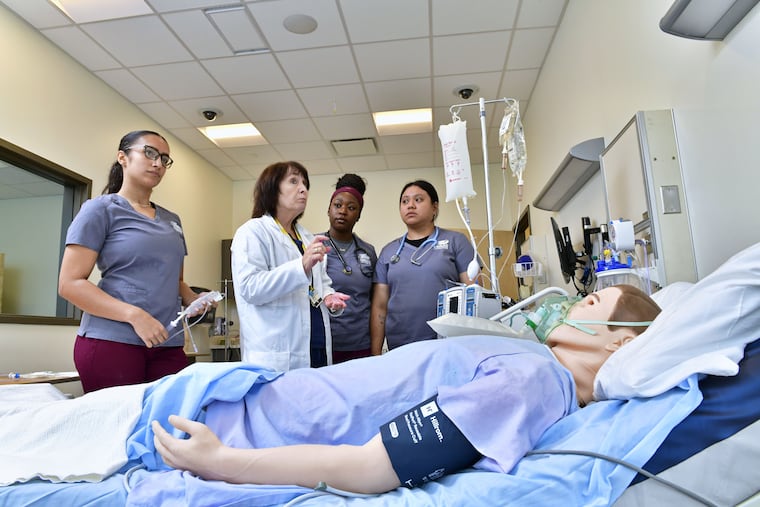
One step toward addressing the issue of over-prescribing is Senate Bill 1180, which Gov. Corbett signed into law on Monday. It creates a prescription drug monitoring database accessible to prescribers in Pennsylvania, so physicians and pharmacists can check to see if patients are “doctor-shopping” for the same prescriptions elsewhere, a sure sign of abuse. When implemented properly in other states, these database monitoring programs have cut down on overprescribing of narcotics. It is not clear why Pennsylvania is the second to last state in the nation to put this system in place (Missouri would complete the list), but it is welcome progress. Again, more can and should be done. Most physicians, nurses and pharmacists have not received ANY training in the identification and management of drug use disorders during their training. Pennsylvania could lead instead of follow other states by requiring a mandatory course for these and other related professions as part of standard training. Training is not just a Band-aid on the problem – it is fundamental to the medical community and public understanding about this issue.
What can we do as a society to address this critical threat to our national health and safety?
It has always been vocal public concern and demands that have led to legislative and financing improvements in healthcare – public demand for better breast cancer, AIDS, depression and now Ebola prevention and treatments are just a few of the recent examples. The main point is that opioid overdose specifically, and drug addiction generally, are NOT intractable or unsolvable problems that we simply have to live (and die) with. These problems require and will respond to the same combination of public health and public safety interventions that have been so successful in managing other threatening epidemics. There ARE effective interventions and they CAN be applied at the scale and with the integrity to reduce the unnecessary deaths and despair that is now affecting Pennsylvania. As citizens, we have to demand of our legislators and our public agencies that they combine forces and implement policies and practices that can work. We must address this epidemic with the same vigor, concentration and political will that we muster to quell other major public health outbreaks. Opioids, including heroin, will continue to infect and affect our communities until we take a stand to properly contain the spread of disease through better prevention, early intervention and treatment. Pennsylvania must do more to address this national epidemic in our own backyard.
Read more about The Public's Health.