City should cut other spending for education
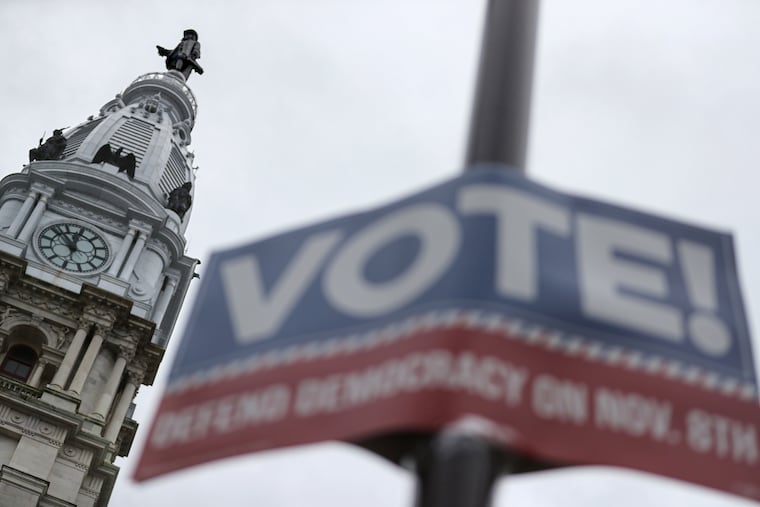
The scoffing language that some Philadelphia City Council members have been using in discussions with School District officials asking them for more money is not only inappropriate, it suggests that the elected leaders don't take seriously the dire consequences of not providing a better education for this city's children.
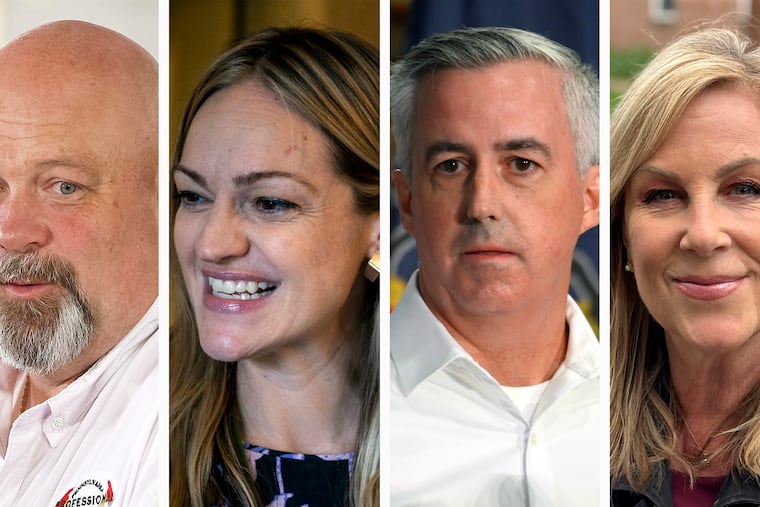
"I want to help the schools, but not at the expense of hurting people in the neighborhoods," said Councilman David Oh at a recent public hearing. How can he not see that the worst thing he can do to "people in the neighborhoods" is to condemn their children to an inferior education that limits their opportunities to become productive, tax-paying citizens of this city.
"Here we go again, being asked to stick our hands in taxpayers' pockets and put up additional dollars for schools," Council President Darrell Clarke said this week in an interview with KYW Newsradio. Is he deaf to the pleas by taxpayers to put more money in the city's public schools? Was he not paying attention to the support given to pro-schools candidates in last month's primary election?
Ask anyone if he wants higher taxes, and the knee-jerk answer will be no. But when you make a persuasive argument that the additional revenue will help produce a better educated population that can help reduce the poverty rate and lower the related crime that holds this city back, you will get a different answer. Instead of making that argument, Council members are stressing how tired they are to year after year have to find more money for schools.
If they don't want to raise taxes, they can go another route. Council and the mayor can cut expenditures to put more money into education. They ought to listen to state prisons chief John Wetzel, who for years has been advocating for more state funding of education as one of the best ways to reduce the millions of dollars that Pennsylvania spends to incarcerate criminals.
Philadelphia elected officials keep crying that there's no place in the city budget to cut, but they're not looking hard enough. Cutting services would be difficult, but not every service provided by the city is essential. Cutting funding to peripheral services will pay off with a better-educated population that can compete for better-paying jobs, which will put more tax money into the city's coffers.
If Philadelphia's elected leaders don't believe in properly investing in the city's children, why should any of the scoffing legislators in Harrisburg? It's time for city leaders to do their homework and come up with a sustaining local solution to the schools' budget problems – whether that means raising taxes, cutting spending, or both – while continuing to press the state for adequate funding from that level.
Harold Jackson is editorial page editor for The Inquirer.