What Democratic wins could mean for health policy, according to Penn expert Ezekiel Emanuel
A Democratic-controlled Congress could try to reverse cuts to health coverage, lower prescription drug costs, and pursue other health priorities. But the president's veto power remains a barrier.
The so-called blue tsunami that won Democrats control of Congress last week could revive health policy fights over government-funded health coverage, affordable drug pricing, and beyond.
Many party candidates campaigned on healthcare as a key priority, and returning members of Congress are promoting ideas they were working on:
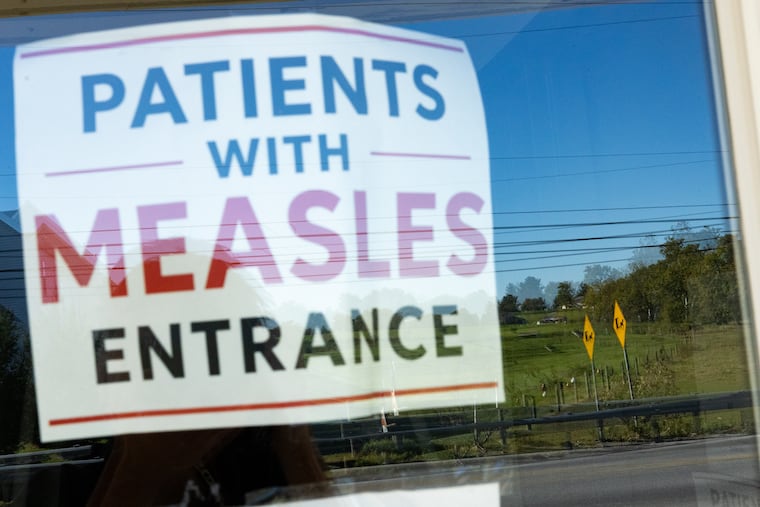
A pediatrician newly elected to the Senate from South Carolina, Annie Andrews, has repeatedly called for removing Health Secretary Robert F. Kennedy Jr., criticizing his anti-vaccine track record in light of recent measles outbreaks. Pennsylvania is now dealing with the nation’s worst outbreak in decades.
U.S. Sen. Bernie Sanders, a Vermont independent who caucuses with the Democrats, launched a new Medicare for All push on Thursday. The slogan refers to proposals to expand Medicare, the federal health insurance program primarily serving people age 65 and older, to all Americans.
And months before the victory, a House Democrat working group developed a legislative roadmap for reversing health policy cuts under the One Big Beautiful Bill Act (H.R. 1), the signature spending plan enacted by Republicans under President Donald Trump.
It included a plan for the 120th Congress to immediately roll back restrictions limiting Medicaid health coverage for low-income people, restore tax credits that expanded access to Affordable Care Act plans, and protect reproductive rights.
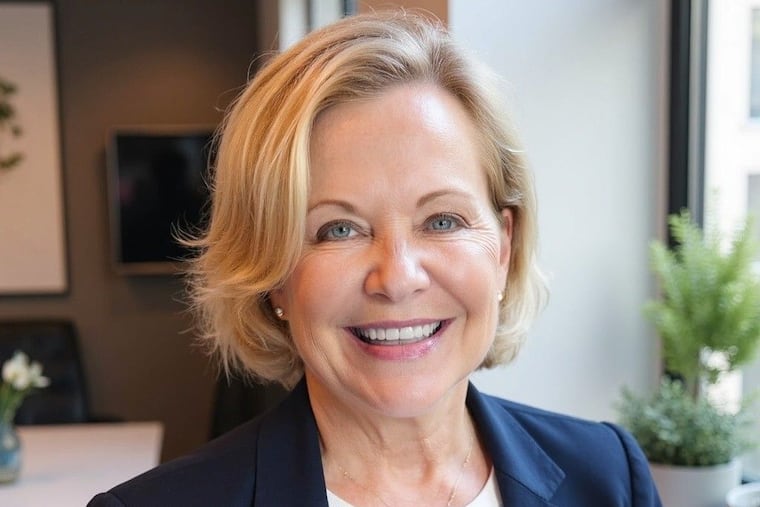
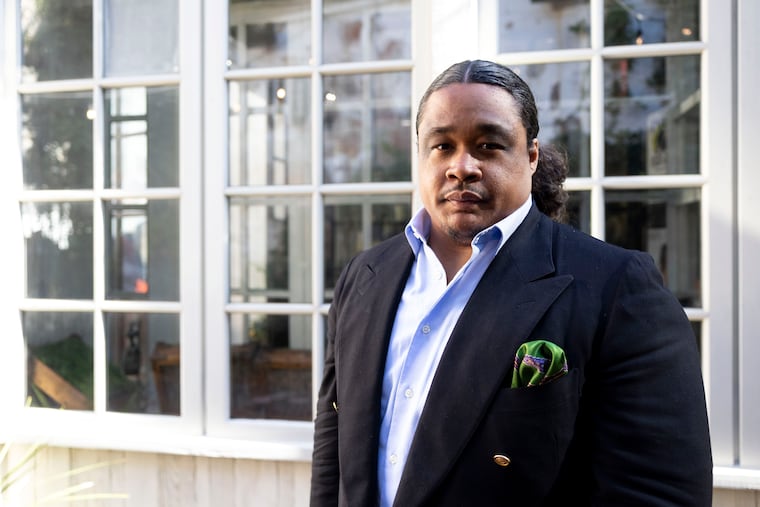
The Inquirer discussed the potential for change with Ezekiel Emanuel, a physician and University of Pennsylvania professor. He served as special adviser for health policy to the White House Office of Management and Budget under President Barack Obama from 2009 to 2011, and helped draft the Affordable Care Act.
He thinks Democrats will first try to reverse many of the changes under Kennedy’s leadership, including overhauls to vaccine policy and sweeping cuts to federal research funding.
The health secretary fired and replaced all members of a key vaccine advisory committee last year, and in January scaled back the recommended childhood immunization schedule.
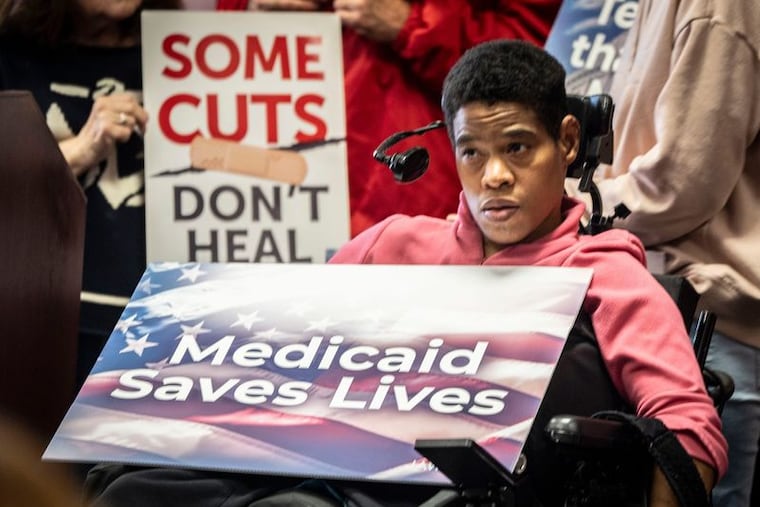
Emanuel also expects Democrats to try to get rid of federal Medicaid work requirements that go into effect on Jan. 1. Critics say the policy, which requires some recipients to work, attend school, or complete community service to maintain coverage, would cause widespread coverage losses and impose administrative burdens.
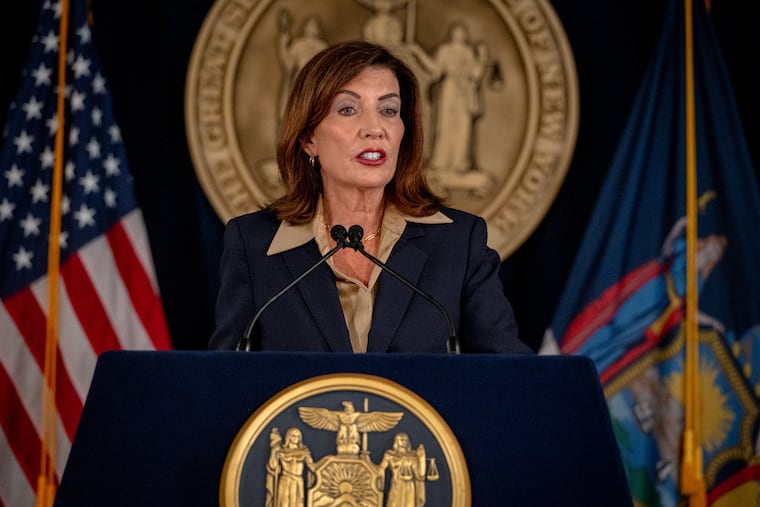
“Now that might be vetoed unless it’s in a package that has other desirable things for the Republicans,” Emanuel said of a repeal attempt by Democrats, referencing Trump’s veto power over bills passed by Congress.
Here’s what he told The Inquirer about potential policy changes in a conversation lightly edited for length and clarity:
What big health policy fights do you see Democrats taking on?
It’s a question of focusing on the affordability agenda. What are the low-hanging fruit of things they can do? One of the fast things is to get rid of deductibles and copays in the Medicare drug program, the Medicare Advantage drug program, and the Exchange [referring to the Health Insurance Marketplace] drug program. That’s something they could probably do relatively quickly, and people would feel that it’s not a huge amount of money.
There’s a two-step process here: You need to institute some changes that people can feel are saving them money on healthcare, and then you have to have a more comprehensive reform.
What could Democrats realistically do to curtail some of RFK Jr.’s policies?
First of all, they could strengthen the conflict-of-interest [and] expertise requirements for [new appointees to advisory committees]. They could also probably eliminate the power of the secretary to wholesale fire or hire a committee.
Do you think reversing the Medicaid cuts and restoring the enhanced ACA premium tax credits are realistic policy moves?
I think it’s realistic.
Let me say one other thing, which I think is really important and sometimes gets lost in these conversations. Congress has to remember that 165 million or so people are on private insurance. They can’t just legislate for Medicare and Medicaid and say, ‘Well, it’ll trickle down.’ That doesn’t always happen.
They have to think of those other 165 million people because those are middle-class people who are screaming about the costs. You’ve got to do something for the private insurance. Putting caps on hospital prices is something they really need to look at because that’s the biggest element driving higher premiums.
What do you think of the Medicare for All movement and its potential?
At the moment, it’s the only comprehensive policy to address healthcare on the table. That doesn’t make it a good policy, and it doesn’t make it a politically feasible policy. I am not a wild fan of it. I think most health policy people who know a lot about the system are not wild fans of it.
That’s a challenge to develop more comprehensive healthcare reform ideas.
Why don’t you think it’s a good policy?
You have to understand Medicare as it’s currently created — with separate hospital coverage, separate doctor coverage, separate drug coverage — is an antiquated 1950s model of health insurance.
Drugs influence your hospital pay, so you want them integrated. Doctors and hospitals and outpatient services and hospital services all interact. Having some people with hospital coverage but not outpatient coverage is a ludicrous way of designing the system. Not having some solid long-term care for patients can clog up hospitals. So it’s a badly designed system that really needs to be modernized.
What about the fight to lower prescription drug costs?
It’s something the president cares about, and it’s something we might be able to come to an agreement on. It’s a clear bipartisan issue. I’m actually optimistic about something on drugs.
Are there certain drugs you see being targeted?
There are lots of high-cost cancer immunotherapies, and they’re probably the most important.
What are the challenges facing Democrats?
Sixty votes to overcome a filibuster and a president [with veto power]. You have to be able to appeal to him and get him to support something. It’s going to require negotiations.