Measles cases in Pennsylvania top 200 as experts worry about back-to-school spread
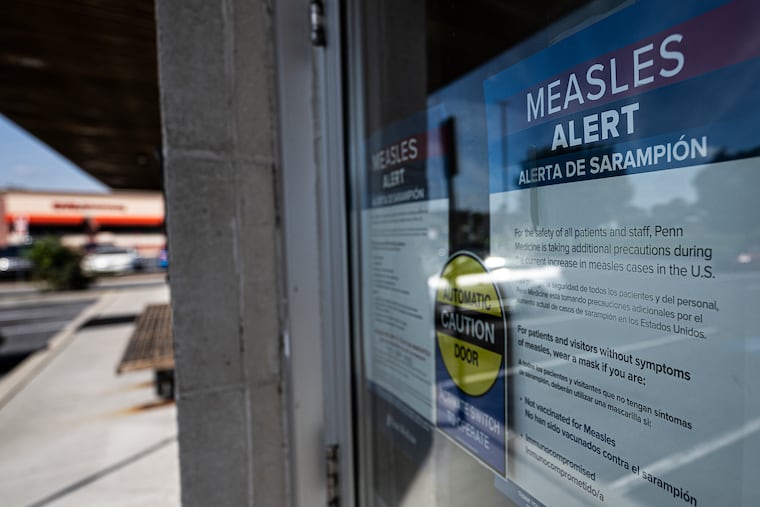
Pennsylvania’s measles outbreak continues to spread across the state, with 18 counties affected and 232 cases reported so far this year, including more than two dozen in the Philadelphia region.
Before this year, many physicians at Lancaster General Hospital had only read about measles in textbooks.
But now, as they treat pneumonia and brain swelling in patients infected with measles during Pennsylvania’s worst outbreak in three decades, they’re rapidly becoming experts on a disease once considered eradicated in the United States.
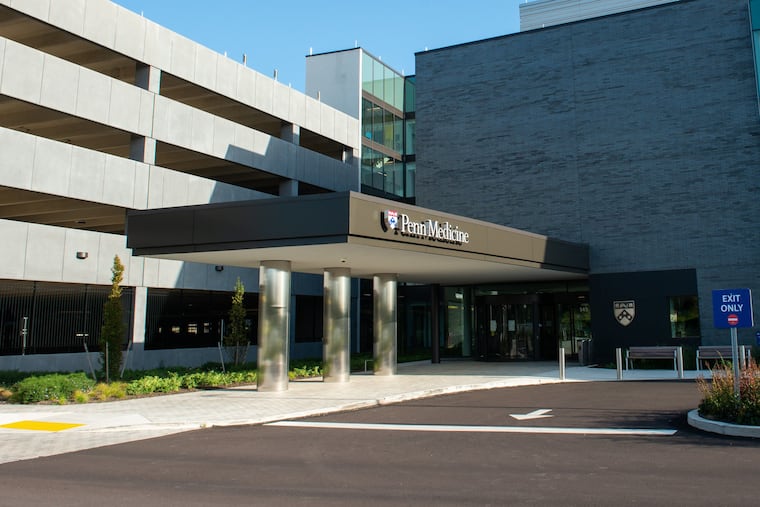
“It feels surreal,” said physician Jeffrey Martin, the chair of the Department of Family and Community Medicine at Lancaster General Heath, which is affiliated with Penn Medicine. “You’re treating something you probably never saw before.”
Pennsylvania’s measles outbreak continues to spread across the state, with 18 counties affected as of Monday and 232 cases reported this year, including more than two dozen in the Philadelphia region. Thirty-eight people have been hospitalized. In the last week alone, state health officials recorded 57 cases.
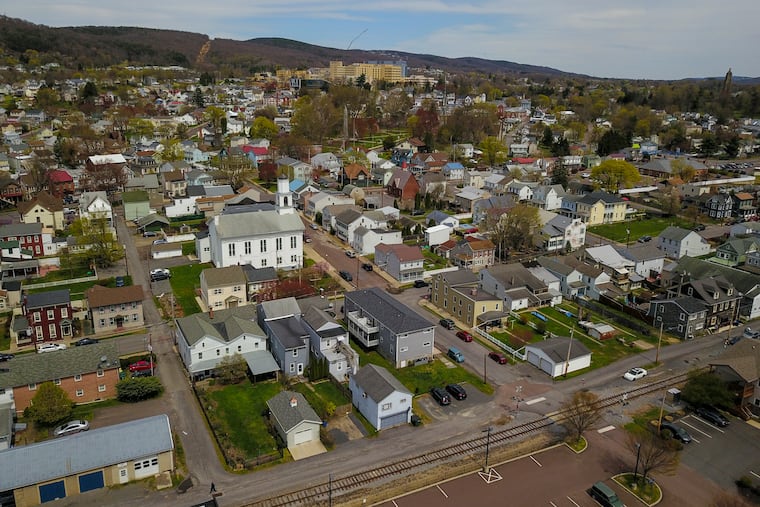
At the center of the outbreak, Lancaster County has reported 133 measles cases this year — 125 of them since April. At Lancaster General, physicians are treating mostly adults, including pregnant women.
About 35% of the state’s cases this year have been diagnosed in children, who are among the most vulnerable to serious complications. And many experts fear the risk of infection will rise when schools open beginning at the end of August.
Lancaster County has among the lowest vaccination rates in the state, with just 87.6% of kindergartners and 83.3% of 7th graders vaccinated against measles, well below the 95% immunization threshold required to prevent community spread of a disease so contagious that up to 90% of unvaccinated people exposed will become ill.
“I don’t want to be alarmist, but I don’t think we should be minimizing the risk,” said Lancaster County Commissioner Alice Yoder, a nurse who formerly worked as a Lancaster General administrator. “There will be a large number of children coming together every day, and measles is just extraordinarily contagious.”
Back-to-school this year is “a very scary time,” she said.
» READ MORE: Scores of Philly-area schools vulnerable to a measles outbreak
Cases outside Lancaster
The outbreak increasingly poses a threat outside Lancaster, with several counties in central Pennsylvania reporting their first cases last week.
Suburban Philadelphia’s Chester County, which borders Lancaster County to the east, has seen 22 cases of measles so far this year. And local cases are higher than reported, officials there say, adding that some residents with measles have refused to cooperate with the health department’s efforts to trace their contacts.
Lancaster officials, too, say the outbreak has spread more widely than case counts indicate. “Every case we have, we know there’s another 10 or 20 behind it,” Yoder said.
New infections may also be coming from other places. Lehigh County reported its first two cases in two siblings last week, according to St. Luke’s University Health Network.
The children, whose parents had opted against vaccinating them, had recently traveled internationally, St. Luke’s pediatrics chair Jennifer Janco said.
St. Luke’s doctors first saw the children on video to avoid exposing other patients at a clinic and worked with state health department staff to test them for measles at home.
“We don’t want someone with measles in a doctor’s office or urgent care waiting room,” Janco said.
Eventually, one of the children was hospitalized at another area health system after becoming dehydrated, Janco said. “They became weak and sick to the point of dehydration — they couldn’t take enough fluids by mouth,” she said.
Like Yoder, she is concerned about the threat to Pennsylvania children with the school year about to start.
“The risk is real. This isn’t measles halfway across the country,” Janco said. “And measles doesn’t care about county lines.”
‘Do it for your neighbor’
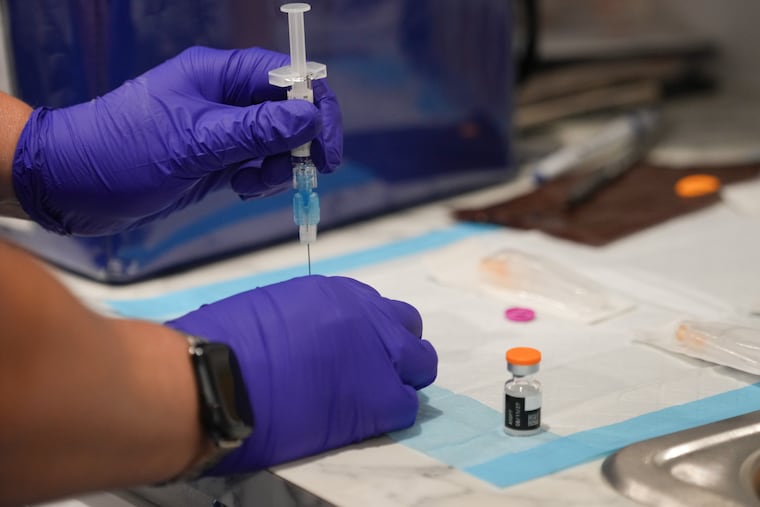
State officials for months have recommended accelerating the schedule for routine childhood measles vaccinations, giving infants their first measles, mumps, and rubella shot as early as six months.
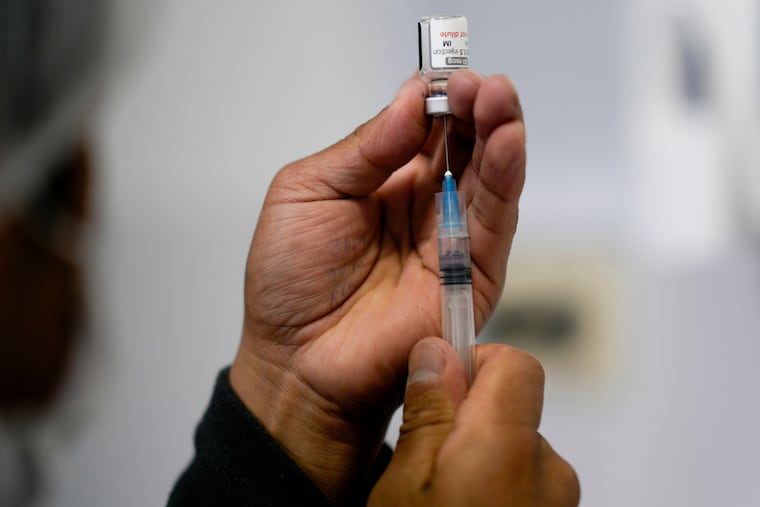
State health officials say their staff have administered more than 2,000 doses of the MMR vaccine this year, with more than 1,300 provided in June and July alone.
At Lancaster General, Martin says he’s seen increased interest in vaccination from some parents who had previously refused MMR shots for their children.
“There does seem to be a message that resonates here, and that is, if not for yourself, do it for your neighbor. Get the immunization to protect the most vulnerable,” he said.
» READ MORE: Inside Pa.’s measles outbreak: A family rides out the virus, doctors treat severely ill children
Still, he said, many county residents who are not connected to healthcare settings “vaguely hear there’s something going on with measles, but don’t fully understand we’re in an outbreak status.”
And information about the measles from county government officials has been scarce.
Yoder, a Democrat, said she has been unable to convince her fellow county commissioners, both Republicans, to publish more information about the outbreak and the importance of vaccination on the county website.
Josh Parsons, one of the Republican commissioners, did not return a call for comment on the outbreak.
And the county health advisory council, which makes non-binding health recommendations for the county, did not discuss the outbreak at its meeting last month, said Martin, who serves on the council.
State officials handling the outbreak have done “a fantastic job,” Martin said, but he believes stronger local health leadership could help combat the outbreak with a better understanding of the “complexity and diversity” of the county and its attitudes toward public health.
Yoder says the county must do more to reach out to residents about the outbreak and has been advocating for Lancaster County to form a local health department.
“The local government is typically a trusted place for people to go to. It would be so important and beneficial for us to come out stronger about the importance of vaccination,” Yoder said.

-
Inside Pa.’s measles outbreak: A family rides out the virus, doctors treat severely ill children
-
In Lancaster, measles cases are rising as providers try to combat low vaccination rates
-
More than 200 Philly-area schools are vulnerable to a measles outbreak
-
What are the measles vaccination rates in your district? See how your school compares.