Trump immigration officials seek to mend frayed ties with business as arrests spike
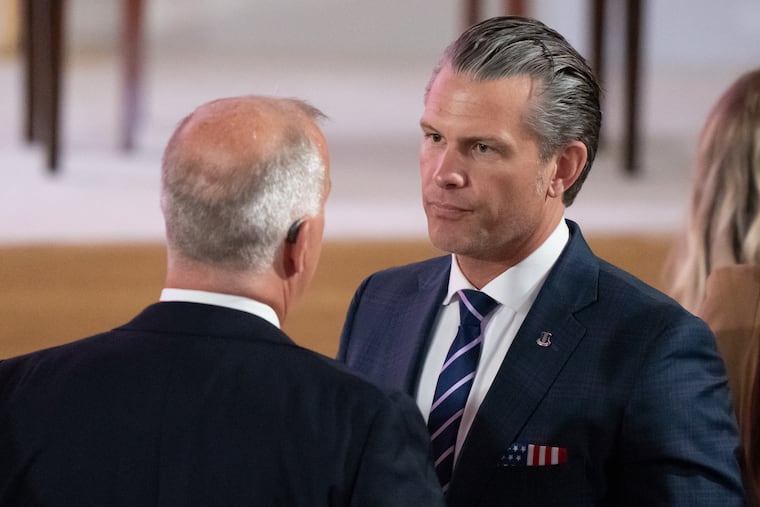
Department of Homeland Security under Secretary Markwayne Mullin is cultivating a relationship with business groups whose concerns had been rebuffed by former secretary Kristi L. Noem.

The Department of Homeland Security under Secretary Markwayne Mullin is cultivating a relationship with business groups whose concerns about losing workers to aggressive immigration enforcement had been rebuffed by former secretary Kristi L. Noem.
Earlier this month, DHS officials met at the agency’s Washington headquarters with the Essential Worker Immigration Coalition, which represents the U.S. Chamber of Commerce and major trade associations that depend on immigrant labor, according to several people with knowledge of the meeting, which has not been previously reported.
It was the first such meeting to be reported since President Donald Trump reentered the White House. Business groups say they have been trying to gain a foothold at the agency since Immigration and Customs Enforcement arrests began to spike last year.
Mullin did not attend the early July meeting — which included officials from ICE and Customs and Border Protection, said the people, who spoke on the condition of anonymity because they were not authorized to speak publicly — and the gathering did not produce an immediate change in policies. But two of the people said DHS officials said they want to meet regularly with the group to assess the impact of Trump’s mass deportation campaign and business needs.
“It was cordial, it was constructive,” one of the people said. “It’s actually very welcome because the last secretary was absent, and her proxies were not very responsive.”
A DHS spokesperson declined to comment on the meeting; coalition members declined to comment publicly.
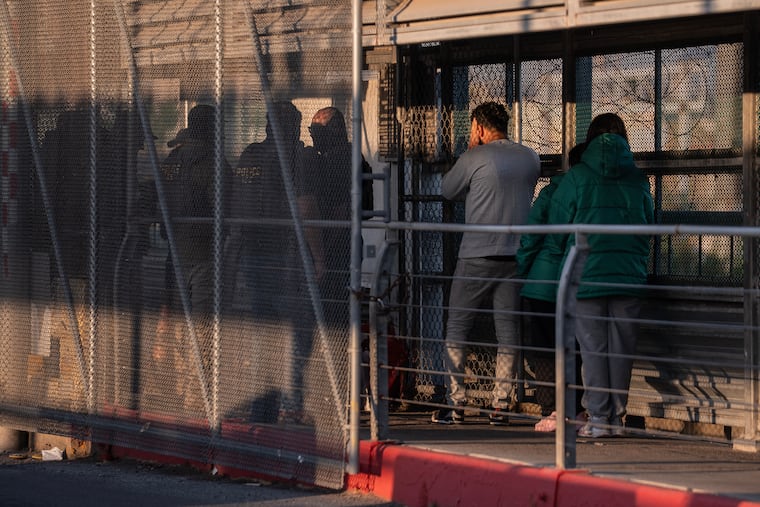
Immigration arrests have more than quadrupled since Trump took office, driven by a dramatic increase in traffic and neighborhood stops, workplace sweeps, and other public arrests, according to the Deportation Data Project. As a result, industries including agriculture, manufacturing, construction, healthcare, and elder care say they are reeling from shortages in jobs critical to the economy.
Noem was dismissive of those concerns while overseeing chaotic enforcement operations that drew bipartisan outrage, especially after agents shot and killed two U.S. citizens in Minnesota in January. Trump fired her in March and turned to Mullin, a U.S. senator from Oklahoma and former plumbing company owner.
Mullin brought Senate staffers with ties to the business community to DHS, business lobbyists said, and his staff quickly set about trying to mend relations.
“It’s important to note that Mullin comes from the business community,” said Jennie Murray, president and CEO of National Immigration Forum, which represents Fortune 500 companies on Capitol Hill and was not part of the July meeting. “Under his leadership the agency does seem much more open to working with businesses and industry to focus on how their enforcement priorities and worksite compliance efforts can be better aligned [and] not negatively impact American businesses and the economy.”
DHS officials declined to acknowledge a shift in approach but said they are trying to keep an open line to business and other moderate wings of the GOP.
“Under Secretary Mullin, DHS is ensuring it remains a strong partner to American communities across the country by engaging stakeholders and industry partners that advance our mission to protect the homeland,” an agency spokesperson said.
However, the spokesperson said, “Worksite enforcement remains a cornerstone of our efforts to protect public safety, national security, and economic stability while rescuing individuals who may be victims of labor trafficking or exploitation.”
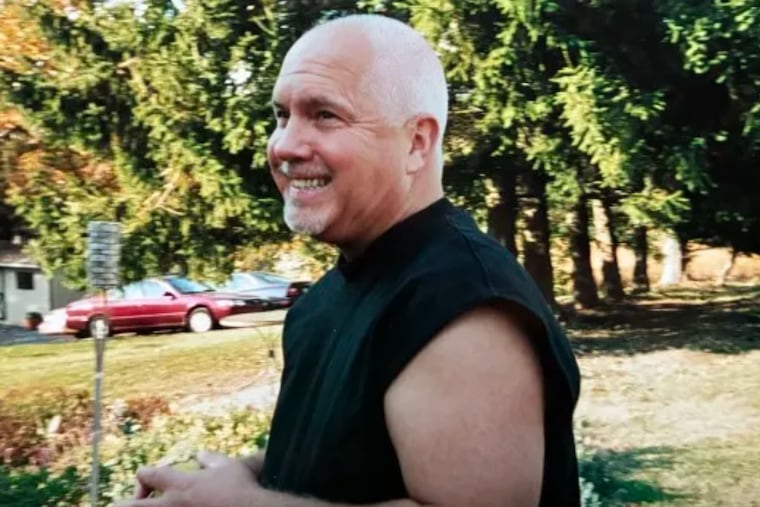
The outreach to business comes as Mullin faces the first crisis of his brief tenure at DHS: ICE agents shot and killed two people in less than a week — a 52-year-old Mexican man in Houston and a young Colombian man in Maine. Outrage over the shootings, including from Sen. Susan Collins (R., Maine), led Mullin to pause traffic-stop arrests last week, a decision Trump swiftly overrode the following day.
Mullin now faces the challenge of proving that he can deliver on Trump’s core campaign pledge to deport a million people a year while avoiding the widespread backlash that helped sink Noem’s tumultuous reign.
In recent weeks, DHS has sought to appease business groups even as it has dramatically ramped up arrests. Through the first 12 days of July, ICE is on pace to arrest the most people in a single month since Trump reentered the White House, with an average of more than 1,400 people a day. Meanwhile, the agency has agreed to partially walk back a plan to force green-card applicants to return to their countries of origin, which tech leaders said would severely impact their workforce. And it has agreed to open a guest-worker visa program to the dairy industry. Both actions followed intense lobbying by industry groups.
This month, the Trump administration also extended the timeline for canceling work permits for hundreds of thousands of immigrants from Haiti and six other countries who are losing long-standing humanitarian protections after a Supreme Court ruling. Business groups — which had swamped the Trump administration with calls, letters, and other outreach warning of the potential fallout of the ruling on nursing homes and hospitals — rushed to take credit for that decision as well.
“They listened to business and GOP lawmakers on the extension of work permits instead of terminating them immediately,” said Rebecca Shi, head of the American Business Immigration Coalition, a bipartisan group that represents 1,700 employers.
While Noem’s advisers spoke occasionally with business leaders, they often dismissed requests, emphasizing that they were laser focused on removing undocumented workers, several business lobbyists said.
“They were unapologetic about [their agenda],” said a lobbyist who spoke on the condition of anonymity because they were not authorized to speak publicly.
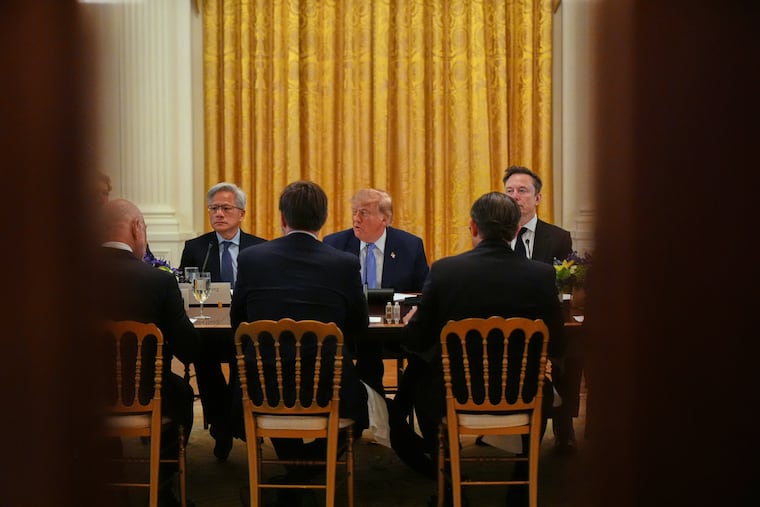
Trump, who is known to take phone calls with and host dinners for business executives, hasn’t been immune to business backlash since immigration arrests exploded in 2025.
Last June, during high-profile operations targeting worksites, the administration announced that farms, restaurants, and hotels would be spared further raids. The policy change — aimed at blunting potentially severe economic and political fallout — appears to remain largely intact a year later, pushing ICE agents toward neighborhood arrests and traffic stops to meet their deportation goals.
But while certain industries have been shielded from workplace raids, other are being pummeled. In South Texas, raids on construction sites have mushroomed since Mullin replaced Noem, builders say.
“It’s the highest it’s ever been,” said Mario M. Guerrero, a homebuilder and executive director of the South Texas Builders Association. “We got builders saying like, ‘Look, I’m done.’ These agents are showing up to jobsites, following work trucks, and going to Home Depots and picking up everyone.”
It remains to be seen whether the budding relationship between DHS and business leaders will produce more far-reaching policy changes. Goals of the business community include expanding guest-worker visas and restoring protections for Haitians — demands that are staunchly opposed by much of Trump’s political base.
Business leaders also ardently desire a path to legal status for the nation’s estimated 8 million undocumented workers (though they stress their support for removing those with criminal records). That politically fraught target has eluded policymakers in Washington for decades.
On Friday, as he met with reporters about Trump’s campaign to force states to purge alleged noncitizens from their voting rolls before this fall’s midterm elections, Mullin continued to walk a fine line between reassuring a skeptical public and satisfying the president’s desire for maximum impact.
While “I turn down the temperature with you guys,” Mullin told reporters, “we’re turning up the heat on the streets.”