I’m a podiatrist. Here’s what I really think about flip-flops | Expert Opinion
You’ve probably read that the classic summer shoes are awful for your feet, but not everyone needs to avoid them completely.
Q. How bad are flip-flops, really? Am I inflicting lasting damage on my feet every time I wear them?
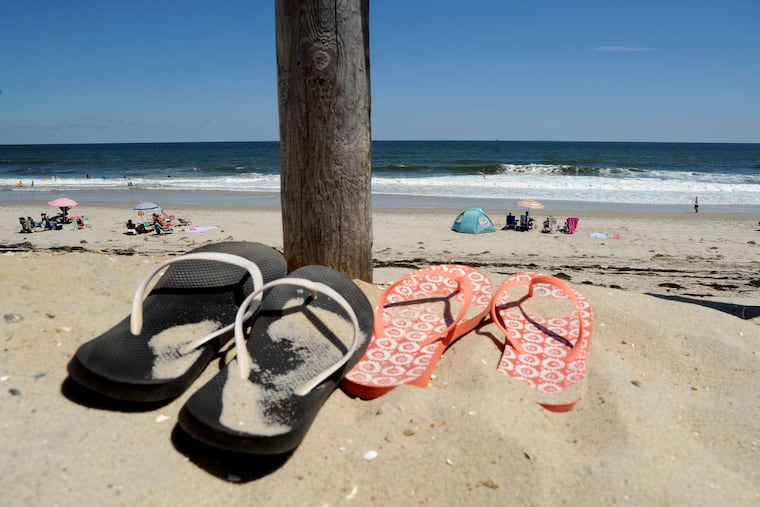
A. Flip-flops must be the most vilified form of footwear. Each summer, the media are filled with stories about how bad they are for your feet. According to some experts, wearing flip-flops will cause acute injuries, such as sprains, or contribute to more insidious injuries, such as plantar fasciitis. Some even claim they can contribute to hammertoes and bunions.
While it is reasonable to be cautious about flip-flop use for those who may be vulnerable to lower-extremity conditions, are they really that bad for everyone? And should you never slip on a pair if you care about your foot health? The answer I give my patients might surprise you.
As a podiatrist in Minnesota, my clinic is slowest in late winter and becomes busier as we transition to spring and summer. Coincidently, some people also start to wear flip-flops around this time. It would be easy to assume a cause-and-effect relationship for the flip-flop wearers and their foot pain, but that is an incomplete picture.
A winter spent in more structured shoes combined with the tendency to be more sedentary can essentially decondition your feet, so when you start to become more active and wear less supportive shoes, your feet might hurt as they adjust to the greater demands you’re putting on them. This reduced capacity is often high on the list of potential causes of foot pain whether wearing flip-flops or not.
It is true that the risk of falling is higher in flip-flops, but this risk applies to all shoes that do not secure well to the foot such as high heels, mules, clogs, or even poorly fitting shoes.
Additionally, there is no evidence in the research that flip-flops increase the risk of heel pain or toe alignment changes in people with healthy feet any more than other types of footwear. Heel pain, hammertoes, and bunions are common in the general population, even in those who have never worn flip-flops. Many factors contribute to these foot concerns including genetics, lifestyle, and biomechanical imbalances.
As a general rule of thumb, I caution anyone with poor balance, osteoarthritis, rheumatoid arthritis, a history of lower-extremity surgery, diabetes, lower-extremity swelling, peripheral neuropathy, peripheral vascular disease, neurodegenerative conditions, or gait abnormalities to avoid not just flip-flops but any footwear that does not strap securely to the foot including at the heel. People with these conditions are more likely to fall or worsen existing issues when wearing unsupportive footwear.
Even if you don’t have any of the health concerns listed above, remember that flip-flops are really made for walking on flat, dry surfaces only. That’s because you are more likely to fall if you are on a wet surface and subsequently injure yourself if your footwear is not secured to your feet.
If you’re wondering what footwear is best for avoiding foot conditions, the answer is that there’s no one single type. Each of the shoes that we own uniquely alters how our feet function and affects how we move. Therefore, it’s best to have multiple types of comfortable footwear options with varying degrees of cushioning, support, and fit characteristics to allow your feet to maintain their strength, mobility, and adaptability.
Flip-flops place more demand on the muscles and joints of the feet than conventional shoes, and that can be a good thing. Having a capacity to wear footwear with little to no support is an important part of long-term foot health. If you don’t have any of the health issues that I previously mentioned, this capacity can be built by transitioning to flip-flops gradually at the beginning of the season, wearing them for short periods of time in the beginning to give your feet a chance to adjust. Doing targeted foot-strengthening exercises as part of a fitness routine can also help.
An often-overlooked benefit of flip-flops (and more broadly, sandals) is that they let our feet spread out more than shoes typically do. This is one of the reasons people find flip-flops comfortable. It is very common for people to develop foot pain due to poorly fitting shoes. In fact, a 2018 study showed that up to 72% of people wore shoes that did not fit properly and there was also an association with improper shoe fit and foot pain.
All shoes affect our lower extremities in ways that can be potentially beneficial or detrimental. Telling healthy people to avoid certain types of footwear is like telling people to avoid the sun. Sure, too much exposure to either can be bad, but some exposure is beneficial and even necessary for our overall health. Having a variety of comfortable footwear options is a good strategy to maintain foot health — and for many people, that strategy can include flip-flops.
Paul Langer is a sports medicine podiatrist practicing with Twin Cities Orthopedics in Minnesota and an adjunct clinical faculty at the University of Minnesota Medical School. He is also the author of “Great Feet for Life.”