Vaccines hurt. Skipping them hurts more. | Expert Opinion
Myths surrounding pain and childhood vaccines can delay important preventive measures. Here’s a new way professionals help kids get medical crucial care, especially during today’s measles outbreak.
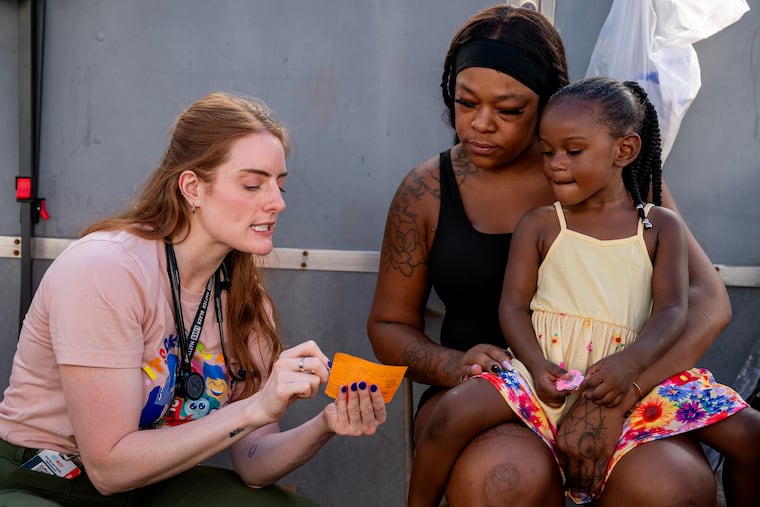
As a pediatrician, I recommend children get approximately 30 injections between birth and 18 years of age, following the American Academy of Pediatrics vaccination schedule — and that’s not including their annual influenza vaccine.
While these vaccines keep children healthy from vaccine-preventable illnesses, I recognize that pain related to these shots can worry children and their parents. Unfortunately, myths surrounding vaccine pain — including that pain is something that needs to be endured without help, or that the pain is too much for a small child to handle — can lead families to delay vaccination.
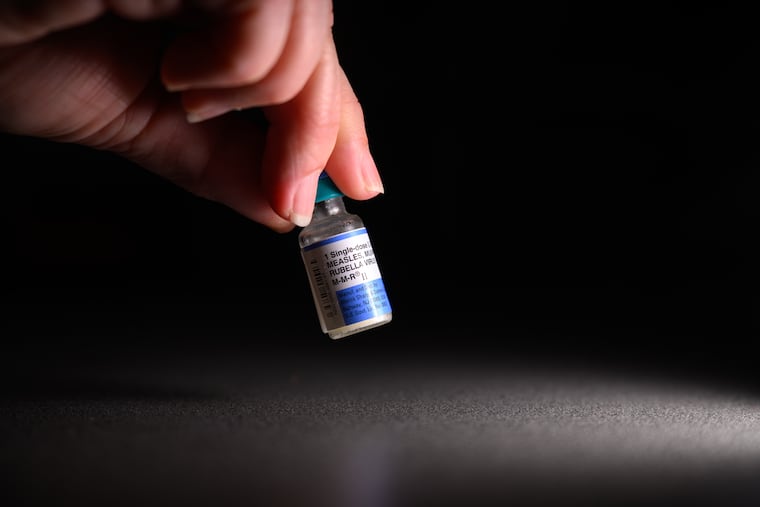
This is risky at a time of rising vaccine hesitancy. Pennsylvania is currently experiencing the nation’s third-largest outbreak of measles, a vaccine-preventable disease, with more than 500 cases reported statewide so far this year.
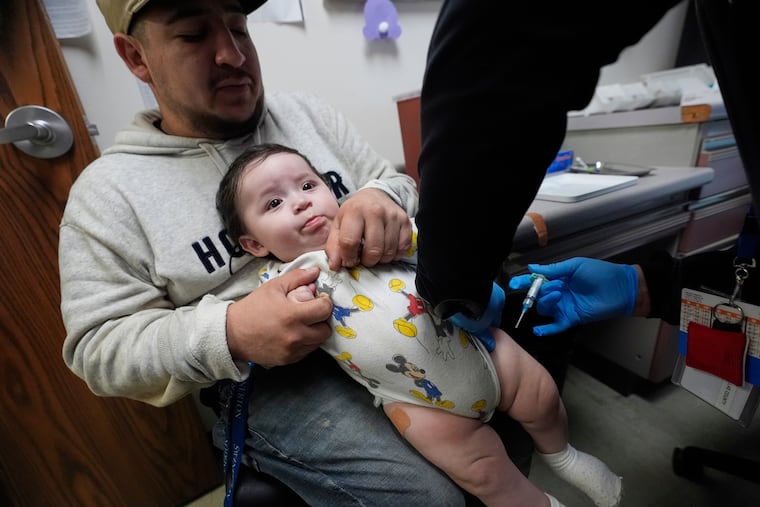
Most parents want to do everything they can to protect their children. That can feel hard when protection comes with a painful experience. Many parents tell me and my colleagues they “can’t look” when their child receives a shot. Some may be drawing on their own fear of needles; others simply find it difficult to watch their child cry or experience pain.
As children grow older and begin to voice their own concerns about shots, these fears can become even more difficult to navigate. “I hate shots,” kids say to me all the time. And while I often quip that “no one likes getting shots,” that’s not entirely true.
The experience of vaccine pain varies by child — age, developmental stage, prior experiences with pain, and temperament can all impact their pain perception. It takes time to assess how best to address a patient’s pain, because there is no one-size-fits-all approach.
Historically, healthcare providers viewed vaccine pain as a normal part of a pediatric medical visit. We expected patients to bear it without any support. In a survey of nurses and medical assistants at Children’s Hospital of Philadelphia in 2022 regarding vaccine pain, one nurse said, “better to get it done and move on.” While well-intentioned, that mindset overlooks what we know about children’s experiences with pain.
Pain is complex and deeply personal. Children’s memories of past procedures and their fears can shape how they respond to future vaccinations and medical visits. Anticipation and anxiety can become as important as the procedure itself.
For some children, fear of pain can become a barrier to healthcare, affecting not only a single visit but their willingness to return for future care. By addressing pain proactively, pediatric practices can reduce distress, strengthen trust, and help children feel safer engaging with healthcare throughout their lives.
That’s why CHOP created the Guided by Comfort program, enabling patients in our primary care locations to choose from a menu of comfort measures to address needle-related pain.
Using evidence-based guidelines on the best way to manage needle pain, patients can be positioned for comfort and offered distractions. We also offer additional options for the appropriate ages, such as breastfeeding, sweetened water, vibration with ice, a plastic disc, and cooling spray. The comfort menu includes photos and descriptions of each item, much like the menu at a restaurant.
In the 16 months since we introduced the Guided by Comfort program in all primary care offices, we have reached nearly 200,000 patients, with 82.5% electing to use a menu offering. One parent reported that her child “felt understood and in control of her own health.” These comfort menu options are helping parents and children to build trust and partnership with their healthcare team.
This program offers a solution to a common concern identified through Pediatric Health Chat, a CHOP initiative tracking common myths and rumors in pediatric healthcare. CHOP teams have also created informational videos that empower parents and their children with practical strategies to make vaccinations more comfortable and help prevent pain from becoming a barrier to vaccination.
We have proven that offering comfort measures to patients and families can make getting vaccines on schedule less stressful. Comfort isn’t an extra; we are treating it as part of the vaccination experience.
The views expressed in this article are those of the authors and not necessarily those of CHOP. This information is not intended to provide medical advice, diagnosis, or treatment. Always consult a qualified healthcare professional regarding any health or medical concerns.
Katie Lockwood is a primary care pediatrician at Children’s Hospital of Philadelphia and cofounder of Pediatric Health Chat, an online initiative providing resources for families looking for good information on the latest myths and misconceptions about children’s health.