Congress demands information about VIP rewards from DraftKings, Fanatics, prediction markets and others
The federal lawmakers want to know whether those companies have sent personalized videos of athletes or celebrities to VIP customers.
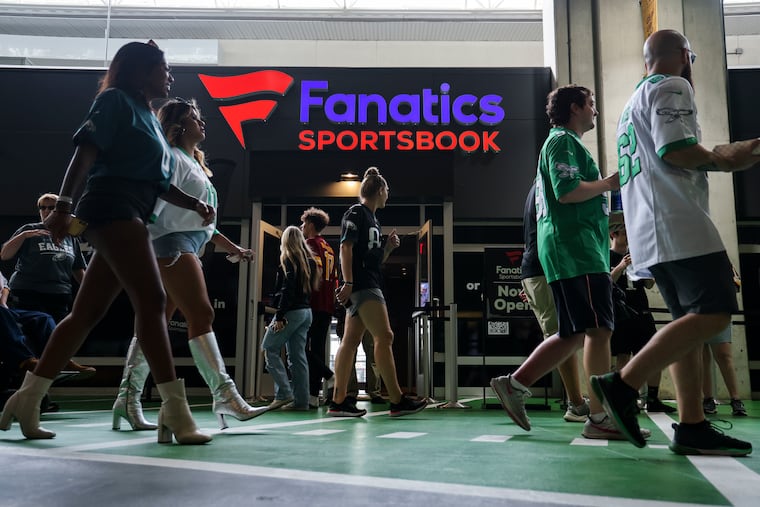
Three members of Congress on Thursday expanded their scrutiny of VIP gambler benefits by demanding answers about the scope of rewards programs offered by a half dozen companies, including DraftKings and Fanatics, and the prediction markets Kalshi and Polymarket.
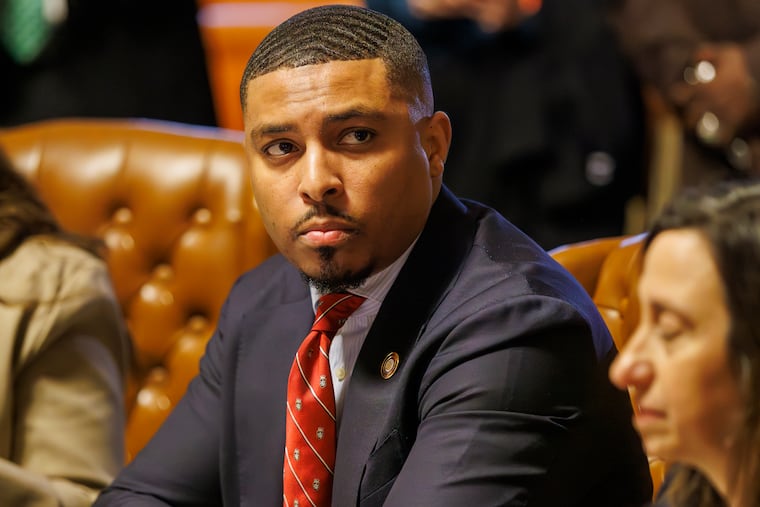
“As repeated stories from exploited gamblers and media reports have vividly documented, VIP programs are driving the gambling industry’s most susceptible customers into debt and addiction through rewards tied to waging ever increasing amounts of money,” the lawmakers — U.S. Sen. Richard Blumenthal (D., Conn.) and U.S. Reps. Paul D. Tonko (D., N.Y.) and Valerie P. Foushee (D., N.C.) — wrote in letters to the companies, which also included BetMGM and Caesars.
The Democrats asked company officials, including Fanatics chief executive officer Michael Rubin, a former co-owner of the 76ers, to disclose by Nov. 5 how much revenue they derive from VIP customers, the types of perks and services they offer to those gamblers, and whether artificial intelligence is used to shape promotional offers to individual gamblers.
“Fanatics Betting and Gaming received the request today and will respond in due course,” a spokesperson for the company said. “We appreciate the Members’ interest and welcome the opportunity to share information on the ways in which we work to protect our customers.”
A DraftKings spokesperson said the company would “respond accordingly once we have had a chance to review” the letter from Blumenthal, Tonko and Foushee.
In an email, Kalshi sought to differentiate their prediction market from traditional gambling entities.
“Unlike sportsbooks and casinos, we manage our top traders by volume; we don’t take their wins and losses into account,” a spokesperson wrote. “By definition, a VIP at a sportsbook or casino is a losing customer or someone they expect to lose. That’s because the gaming industry only makes money when people lose. We don’t do targeted promotions, offers, or bonuses when customers lose. We also do proactive outreach to clients when they join about how to use our responsible trading tools.”
Representatives for BetMGM and Caesars could not be reached for comment.
Since early August, the members of Congress have pressured another sportsbook, FanDuel, about its VIP program, citing reporting from The Inquirer which showed that a FanDuel VIP account manager had sent a personalized video of Phillies star Bryce Harper to a suburban Philadelphia gambler who had an addiction.
Harper in July said that he had been paid to record the message through the video service Cameo, but didn’t know FanDuel would use it to reward a VIP bettor.
In response the elected officials’ inquiries, a FanDuel executive in September said that the company had sent about 30 personalized videos of athletes and entertainers to its customers during the last two years. The company has declined to disclose further details about the video.
FanDuel has said it will not eliminate its rewards program and that its VIP managers are trained to recognize and report signs of problem gambling. The Major League Baseball Players Association said it would support prohibiting players from promoting VIP programs in the future.
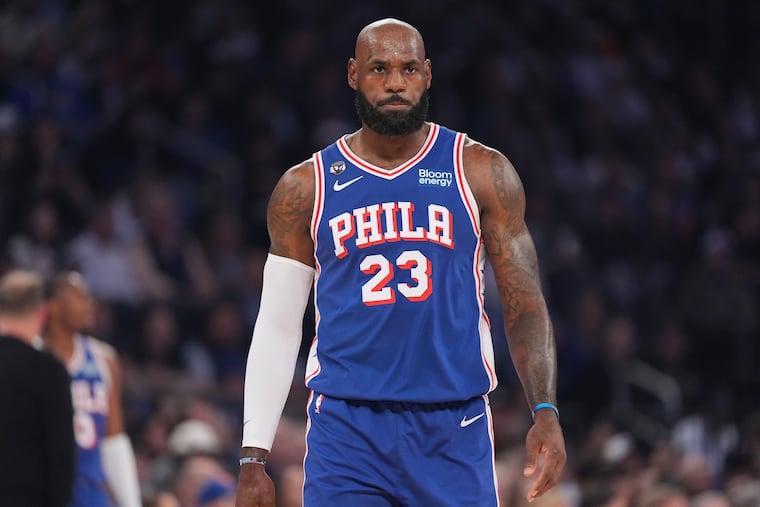
Some of the sportsbooks and prediction markets contacted by Congress have separately figured into controversy surrounding new Sixers star LeBron James, who has previously promoted football bets for DraftKings, and in September signed a $15 million endorsement deal with Polymarket, prompting criticism from fans and fellow NBA players.
James also sometimes commutes from New York to Philadelphia in a Fanatics-owned helicopter as part of a trading card partnership that he has with the company. (NBA Commissioner Adam Silver said the helicopter arrangement is “perfectly appropriate.”)
Sportsbooks like DraftKings and FanDuel have been regulated by individual states since a 2018 U.S. Supreme Court ruling overturned a long-standing ban on sports betting.
Prediction markets like Kalshi and Polymarket, however, are regulated by the federal Commodity Futures Trading Commission, and are available in 50 states. The companies have insisted that their products are not gambling apps but rather a financial product similar to the stock exchange.
The Congress members’ letters note that the prediction markets don’t refer to their customer rewards as VIP programs: Kalshi’s is known as Kalshi Platinum, while Polymarket’s has “maker” and “taker” rebate programs.
In early September, New Jersey Attorney General Jennifer Davenport petitioned the Supreme Court to decide whether states should have the authority to regulate prediction markets as they do gambling.
The lawmakers claimed that “prediction markets are actively flouting safeguards established by state gambling authorities and offering their products in states where sports betting is not legal.”
This is a breaking news story, and will be updated.
The Inquirer will continue to report on issues related to the growth of gambling addiction — among teens and adults — across Pennsylvania. If you, or someone you know, wants to speak with a reporter, please contact David Gambacorta or William Bender at dgambacorta@inquirer.com and wbender@inquirer.com

The Inquirer’s journalism is supported, in part, by the Lenfest Institute for Journalism and readers like you. News and editorial content are created independently of The Inquirer’s donors. Gifts to support The Inquirer’s high-impact journalism can be made at inquirer.com/donate. A list of Lenfest Institute donors can be found at lenfestinstitute.org/supporters.