From A.C., with optimism - or not
A conference on East Coast gaming finds Gov. Corzine bullish on A.C., others not so.
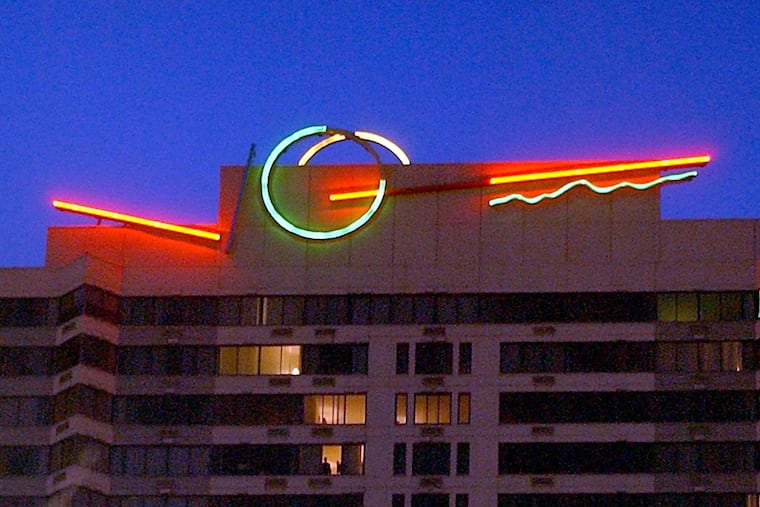
ATLANTIC CITY - Two vastly different predictions for this gambling city were offered today at a conference exploring the future of gaming on the East Coast.
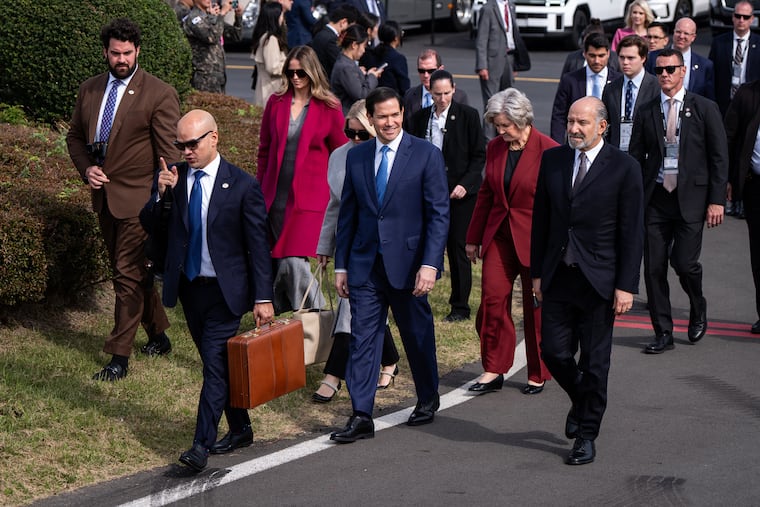
Gov. Corzine, who gave the keynote address at the 13th Annual East Coast Gaming Congress, was squarely in pep talk territory, referring to Atlantic City as a defining element of Garden State culture.
"You have to think beyond the moment," Corzine told the crowd of about 500. "It is clear to me Atlantic City will remain the capital of East Coast gaming, and we will fight to make that happen."
He mentioned efforts to streamline the regulatory process.
And he suggested that Atlantic City would stay competitive because of its 9.25 percent tax rate on gross gambling revenue, vs. 55 percent, for instance in Pennsylvania.
"As long as I am governor, that tax rate will not change," the governor said to a round of applause.
But he conceded that monthly revenue declines of 19 percent (February), 19 percent (March) and 14 percent (April) were "serious."
Only half-jokingly did he mention that his tax collections in Trenton weren't much better: "They're down about 40 percent."
Offering an opposing view on Atlantic City's gambling future was Timothy Wilmott, president and chief operating officer of Penn National Gaming (Wyomissing, Pa.) and a 20-year veteran of Atlantic City's casino industry.
"New competition will continue to kill Atlantic City," he said, adding that Pennsylvania would eventually get table games, West Virginia was expanding them, and Delaware just approved sports betting.
"I don't think Atlantic City's market problems can be fixed incrementally," Wilmott said.
Failing to heed what he called declining revenues' "massive wakeup call" would turn Atlantic City into the next Reno, Nev., which hasn't recovered after being overtaken by the Las Vegas Strip in the late 1980s.
The day's final panel of four major chief executives (three from Atlantic City and one from Connecticut) tried to be more reassuring about the city's future.
Mark Juliano, CEO of Trump Entertainment Resorts Inc., which owns three Atlantic City casinos, said the city was not going away.
"We believe in the possibility of this market," he said. "We believe in Atlantic City."
Noted Andrew Zarnett, of Deutsche Bank AG: "When you have more competition, you are going to have to give up revenue and market share."
Analyst Larry Klatzkin, of Klatzkin Advisors L.L.C., agreed: "The problem for Atlantic City is more blows to be taken," he said. He cited the opening, scheduled later this week, for Pennsylvania's Sands Bethlehem casino, the coming addition of slots at New York's Aqueduct race track, and "you have Philadelphia, which will have two casinos in the next two to three years. Those are blows that haven't been felt yet."
Klatzkin said: "Atlantic City will survive, but I think some properties will have to close."
Especially this year, people need to know where the industry is headed, said Michael Pollock, managing director of Spectrum Gaming Group L.L.C. of Linwood, which is the co-producer of the annual conference.
A recession, a credit crisis that has frozen casino development, a frugal consumer, and an oversupply of casino gambling in certain markets have made this the most challenging time in recent memory for the $32 billion-a-year industry.
But despite recent challenges, Pollock said, the industry continues to grow nationally, including in Pennsylvania.
"Things are moving very quickly," he said, "and the speakers we have today are going to be essential in the future of gaming in virtually every state along the East Coast that has, or will have, a gaming industry."