Self-policing loading zones have worked in Center City, the PPA says, so they’re adding more
The smart loading zones have increased curb turnover, cut double parking, and increased traffic speeds on Chestnut and Walnut Streets.
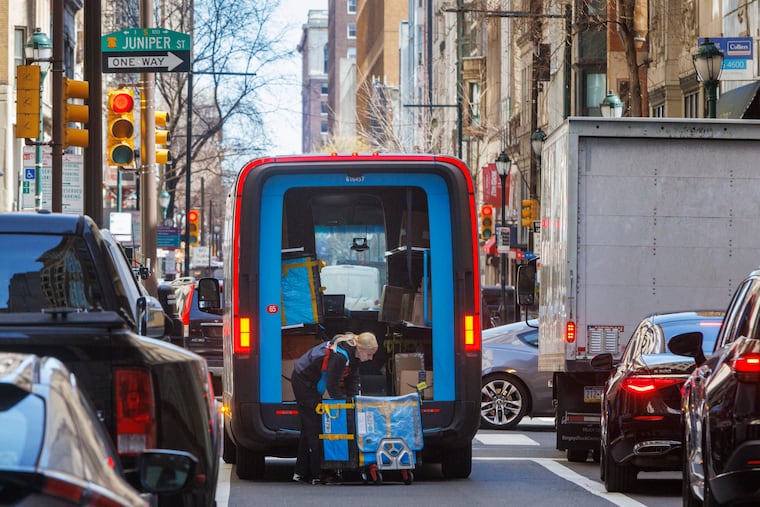
The Philadelphia Parking Authority is expanding tech-enforced smart loading zones in Center City beginning Monday, citing reduced curb congestion and faster travel on two corridors over the last 15 months.
Average traffic speeds are up 32% compared to historical averages on Chestnut Street and 28% on Walnut Street since the PPA installed the loading zones in May last year, according to a study by INRIX, the transportation analytics firm.
During the middle of the day, that means vehicles are moving at around 10 mph, on average, vs. 7 mph before.
High-res cameras track how long a delivery truck or a car stays in the zone, and software calculates a 10-cent-per-minute fee. That is then charged to the driver’s wallet on the CurbPass app. If needed, license plate pictures are used as evidence to issue $51 tickets for staying longer than the one-hour limit.
“Really, the goal is ensuring curb space is available for the folks who need it most … and improving traffic flow through some of the most congested parts of the city,” said Gabe Roberts, interim executive director of the PPA.
Turnover of vehicles is the key. It is a kind of EZ-Pass for curbs.
The system was developed by Los Angeles-based Automotus, a pioneer in curb management used in cities across the country, including Pittsburgh. PPA and the company installed smart loading zones on 22 blocks in May 2025.
On Monday, the loading zones will begin operating on 30 blocks across Center City, PPA says. No tickets will be issued in the new spaces during a monthlong warning period.
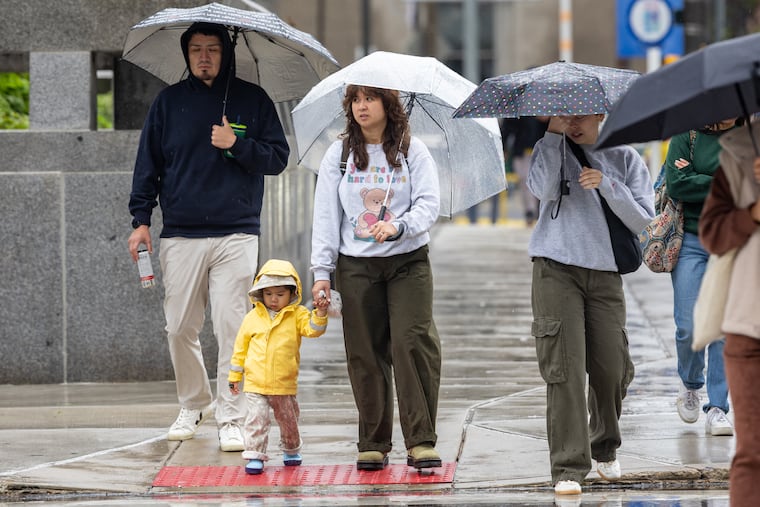
Darting delivery vehicles from DoorDash, Amazon, FedEx, UPS, and the like — along with Uber, Lyft, and regular drivers — have proliferated beyond the supply of curb space in Philadelphia and other cities in recent years, slowing through traffic to a crawl.
Philadelphia has had business and passenger loading zones for years, but they had been overflowing, forcing some delivery trucks to double park in the traffic lane.
» READ MORE: Why is Philly stuck in traffic?
Existing smart loading zones have effectively added curb space for 730 additional vehicles a day because vehicles are moving in and out instead of sitting for a long time, PPA says.
PPA says it has seen a 97% increase in commercial freight and delivery trucks using the loading zones, cutting down on double parking that blocks traffic.
The technology also captures plenty of vehicles double-parking in the zones, which are marked by purple, red, and white signs. That results in a $76 e-ticket.
“Enforcement is much more exact and consistent,” Roberts said. “It develops an expectation” that can change behavior, he said.
Indeed, PPA says about 78% of violators have received only one citation.
CurbPass accounts are not limited to commercial vehicles. Anybody can sign up, including rideshare drivers. The first three minutes are free, so a driver can pull in and create an account on the spot from a QR code before the toll starts.
In addition to loading zones, PPA is enforcing parking violations that block transit lanes and stops with AI-powered cameras mounted on bus and trolley windshields in Center City and West Philly.
Roberts stressed cameras only capture data necessary for enforcement and, in the case of loading zones, billing: license plate, time in, time out, and location.
“Our goal is to monitor the vehicle, not the person,” he said.