With a $20 million gift from the Brodskys, the Philadelphia Museum of Art will build a new education center
The donation from the Comcast co-founder and his wife will realize a project deemed essential to the museum's future.
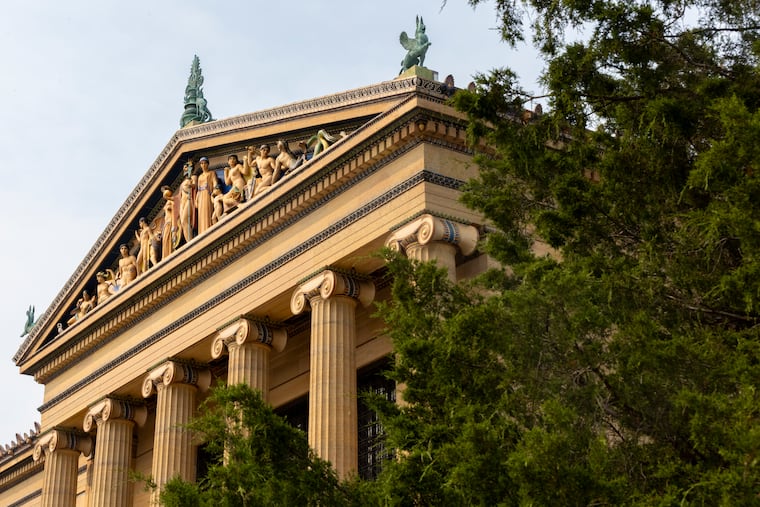
A new series of spaces for educating schoolchildren and welcoming art newbies is coming to the Philadelphia Museum of Art thanks to a major gift from a couple with longtime ties to the museum.
Lois G. and Julian A. Brodsky have pledged $20 million to the art museum to create a learning and engagement center just inside the museum’s north entrance. Plans are in the early stages, but the concept calls for a family learning center, art studios, visitor orientation area, and a multipurpose community hub, the museum announced Friday.
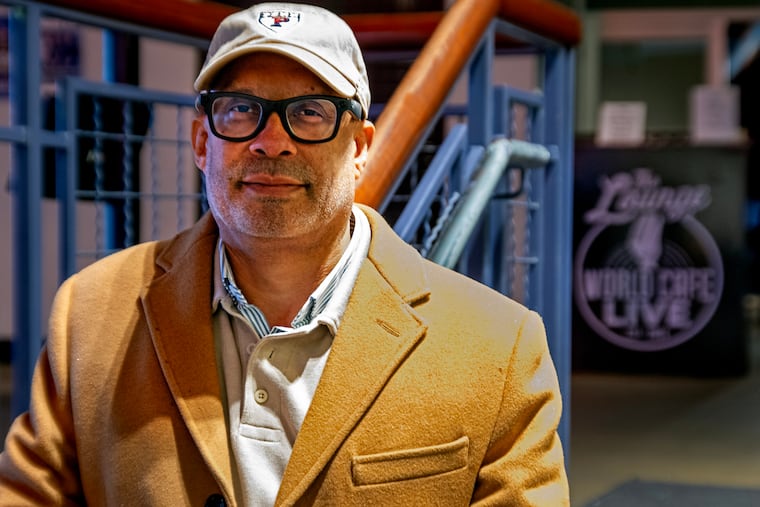
The new project “goes to the broader definition of education, community outreach and cultural involvement,” said Julian A. Brodsky, 93, a member of the museum’s board for three decades and co-founder of Comcast.
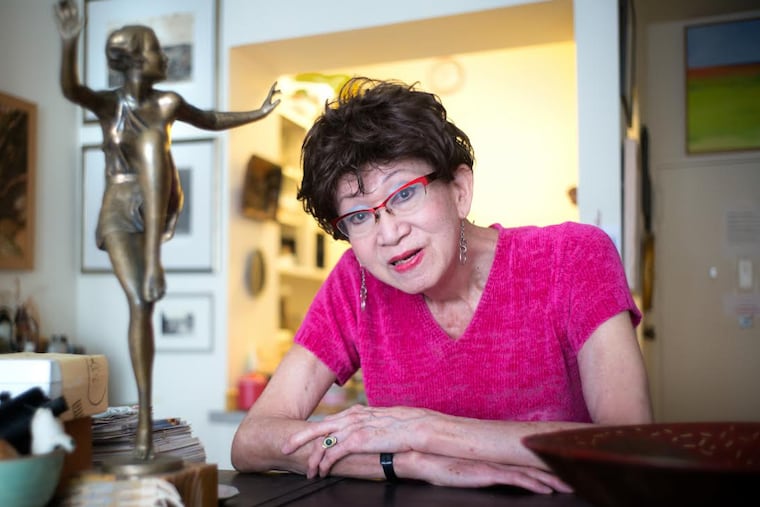
His wife, a former schoolteacher, was a longtime guide and volunteer at the museum.
“It’s been an enormous part of our lives and our family’s lives,” he said.
The Lois G. and Julian A. Brodsky Learning and Engagement Center, or Brodsky Center, will allow the museum to grow the number of schoolchildren it serves, but it’s also intended to welcome the public generally, said PMA director and CEO Daniel H. Weiss.
The gift, Weiss said, “helps the museum do what it needs to do” — grow its educational function — and the project is “a vision shared between the Brodskys and the museum, not one of these projects being built because someone wanted to build it.”
Weiss called the Brodskys a “great Philadelphia story in that obviously Julian had enormous success in building a business here, and all along the way in their lives together they have been on committees as the PMA has evolved in one way or another over 40 years — Lois as a guide and volunteer, Julian as trustee. They are deeply committed to the PMA providing a learning and engagement facility to serve the community better than it can right now.”
The commencement of the project ties up a loose thread from the museum’s previous administration. The Brodskys first discussed their support for the project during the tenure of director Sasha Suda, who had worked with architect Frank Gehry on a more expensive version of the project.
That concept could have cost as much as $50 million — $30 million for the project itself, and potentially $20 million more in borrowing costs, said Weiss.
After Suda was dismissed from the job in 2025 and Weiss took over, the museum reconfigured the concept.
“Frank Gehry was brilliant, as most people know,” said Brodsky, but the proposal “was very expensive, and Dan had another way of looking at the project. There was no pressure for me to reduce the cost structure, but Dan was determined to do it right. It did not shrink.”
A PMA spokesperson said the Gehry budget figures were “preliminary estimates of overall cost.” The Philadelphia firm MGA Partners is now the architect.
The new Brodsky Center is largely going into parts of the north wing’s ground floor currently used for nonexhibition functions such as education and meetings. (Another part of the north wing ground floor is used for mechanical equipment, and the easternmost portion beneath the north wing of the building is unexcavated.)
The Brodsky Center is the PMA’s first major capital project since the “core project,” Gehry’s four-year interior renovation and expansion completed in 2021.
While plans are preliminary, the square footage of the center is expected to total approximately 19,000 square feet. It will keep the existing education spaces while absorbing multipurpose areas currently used part-time for education and converting them into full time, dedicated education spaces. The northern part of the vaulted walkway reopened in the core project, for instance, has been often used for education, and a slice of it will become part of the new scheme.
Currently, spaces devoted solely to education total 5,901 square feet.
The $20 million gift from the Brodskys, who live in Center City and are longtime museum donors, will go toward the capital improvements, with a portion staying in endowment. The gift includes a matching component intended to attract additional gifts, a PMA spokesperson said.
The increased emphasis on education may bring another significant change. Leaders say that educational activities are currently constrained by the museum being closed two weekdays — Tuesdays and Wednesdays — “and we are examining the possibility of extending hours during the week,” said Weiss.
The museum currently sees about 36,000 school children a year.
“There’s no reason why it can’t be substantially higher,” said Brodsky.
Weiss, who has spent much of his time since taking over in December on solving financial and organizational challenges, greeted the development as a welcome sign of progress and ambition.
“This is one of the first things we’ve done here that’s really positive and forward-looking,” he said. “This is about inventing a new future for the institution. It’s a good moment.”