Federal officials abruptly cut funding for a teen pregnancy prevention program in Philadelphia
AccessMatters was one of dozens of organizations around the country that had received funding under a federal teen pregnancy prevention grant program.
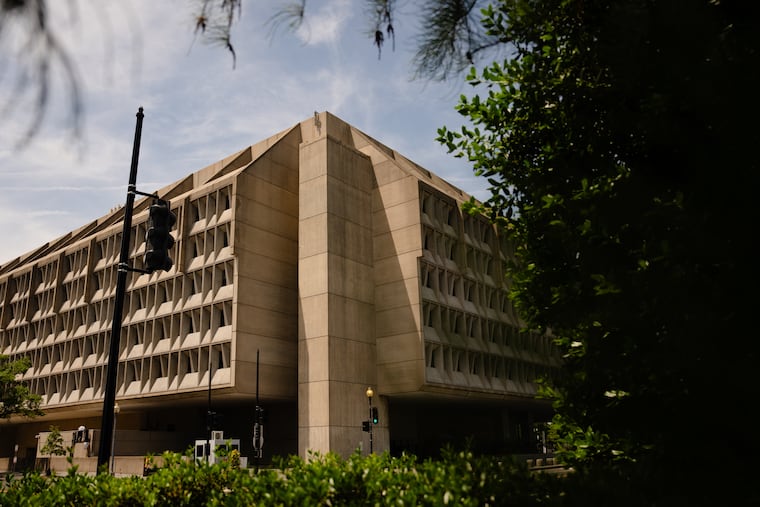
Federal health officials last month abruptly cut funding for a teen pregnancy prevention program in Philadelphia — despite approving the program’s curriculum last year, its leaders said.
AccessMatters, the reproductive health nonprofit that ran the program for more than 1,200 students in charter schools across the city, had a five-year grant, about $1 million per year, to teach students about pregnancy prevention.
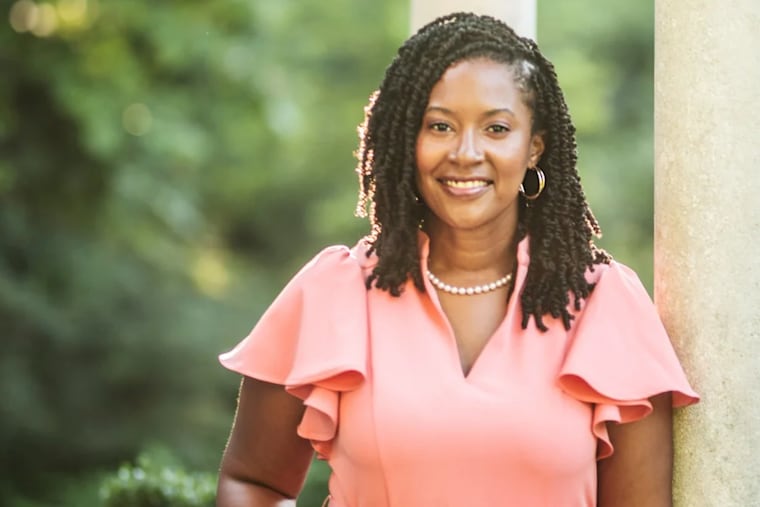
But, in a June letter, federal officials terminated funding two years early, saying the program was “normalizing adolescent sexual activity,” said Ayana Bradshaw, AccessMatters’ president and CEO.
AccessMatters was one of dozens of organizations around the country that had received funding under a federal teen pregnancy prevention grant program. Nearly all have now been informed that they are losing their funding, Bradshaw said.
Representatives of the U.S. Department of Health and Human Services did not respond to a request for comment.
Staff at AccessMatters are still figuring out their next steps in the wake of the funding cuts.
Federal officials took issue with a portion of the program’s curriculum about using condoms, said India Blunt, AccessMatters’ director of training and capacity building.
But, she said, that curriculum had already undergone a rigorous approval process from the Trump administration.
In April 2025, HHS officials had asked AccessMatters to review its curriculum and programming and edit it to align with the new administration’s priorities. The curriculum was approved, AccessMatters staff said, only to have the funding pulled just over a year later.
“[The cuts were] shocking largely because we were using approved curriculum,” Blunt said. “We made adaptations to the curriculum to be in alignment. We were following the procedures, protocol, and program expectations to a T.”
Blunt said the program provides students with medically accurate information about HIV and other sexually transmitted infections, good hygiene practices, and puberty. Program staff also discuss healthy relationships, communication, and consent with students.
The curriculum is aimed at delaying teenagers from having sex, and includes tactics for how to refuse a partner, Blunt said.
But in Philadelphia, which has a teen pregnancy rate twice that of the state average, it is crucial to provide teenagers with accurate sex education, AccessMatters staff said, including discussion of all options to prevent pregnancy.
Surveys conducted at 32 Philadelphia public high schools in 2025 showed that just under a third of surveyed students reported that they had had sex. About 40% reported using a condom during their last sexual intercourse. Fewer than one in five reported that they had been tested for sexually transmitted infections.
“I don’t know how you talk about pregnancy prevention and not talk about condoms. You need to understand what the actions are — there are many, from abstinence to how to use a condom,” Bradshaw said.
“These are not programs meant to promote sexual activity, but programs that are meant for youth to understand what actions are available for them to prevent pregnancy.”
The administration is now soliciting new grant proposals for teen pregnancy programming that must emphasize abstinence as the only way to prevent pregnancy, stressing “the importance of marriage and procreation” and “[instructing] young people how to safeguard their fertility,” the New York Times reported earlier this month.
Several programs that lost funding have filed lawsuits to block the cuts.
The abrupt funding cuts have put jobs at AccessMatters at stake, officials there say.
“It has a disastrous impact on AccessMatters program staff, as well as community partners,” Bradshaw said. “Of course, most of all, it’s a devastating loss for adolescents in Philly.”
President Donald Trump’s administration has targeted funding at AccessMatters in the past. The nonprofit oversees Title X funding in the Philadelphia region, helping people without sufficient health insurance to access contraceptives, sexually transmitted infection testing, cancer screenings, and vaccinations.
The administration froze funds for four months last year for AccessMatters and hundreds of other organizations while it investigated compliance with the administration’s directives on immigration and diversity, equity, and inclusion.
Trump has argued that DEI programs discriminate against white people, and his administration has targeted federal grants that support research on health equity and threatened universities with funding cuts based on their DEI policies.
AccessMatters’ Title X funding was eventually restored late last summer, without the nonprofit having to change its policies. But the clinics it funded were hit hard by the freeze, in some cases laying off staff, shouldering extra costs, and helping patients find affordable medication elsewhere.
“We’re still assessing the overall impact to the organization,” Bradshaw said of the June funding cuts. “There was no notice, no time to even plan for this.”