Letters to the Editor | Nov. 3, 2026
Inquirer readers on cashless payment systems in Philadelphia’s suburbs and the impact of extreme weather on independent farmers.
Legal tender
What’s the adage, “It’s the straw that broke the camel’s back”? Compared with what is going on in the world today, it’s a small thing, but when I read that Main Line Health stopped taking payments by cash and checks, I was appalled. I graduated from Lankenau School of Nursing and worked there for a few years after graduating. You know, when dinosaurs roamed the earth and the world seemed like a kinder, gentler place — or perhaps my memory deludes me.
Because of its location at the corner of Lancaster and City Line Avenues, Lankenau’s patients came from the wealthy Main Line and the poorer neighborhoods of West Philadelphia. The article even states that “Lankenau Medical Center in Wynnewood still had a significant number of people paying cash.” This “seamless” transition profits this healthcare system and eliminates employing cashiers, but what about the inconvenience it may cause some folks? If I’m visiting a very ill family member, I can’t pay cash for a pack of gum at the gift shop? If I recall correctly, a few years ago the city of Philadelphia told businesses they could not go cashless. It’s a form of discrimination, and cash is still legal tender. Shame on Johanna Weller and Main Line Health.
Bonnie Brigham Packer, Wenonah
Farming futures
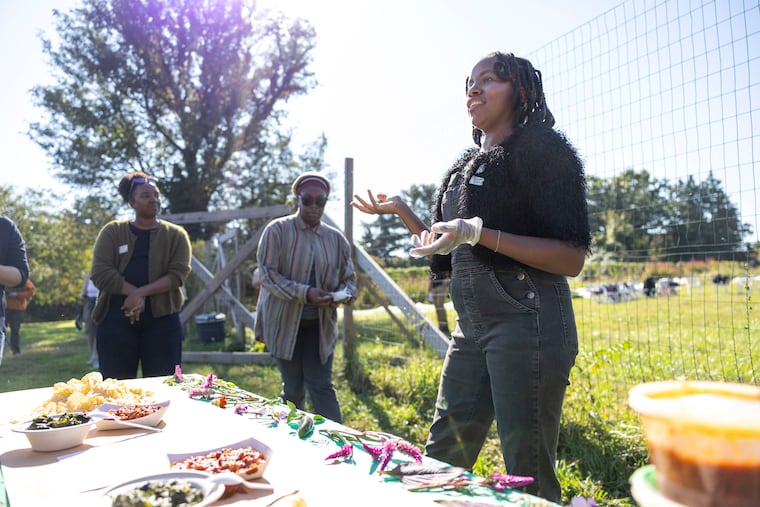
The recent article on extreme weather and independent farmers is typical of reporting that projects modern-day anxieties onto food growing. Farming is never in a steady state. Change prompted by outside forces like markets and weather has always been the nature of the business. The portrait of farmers as beleaguered victims belies their ingenuity, creativity, and adaptability. When the weather is more extreme, their abilities become more heightened, too. The story itself offers proof — farmers who are commercializing new crops that perform better in current climate conditions. Many have already been experimenting with heirlooms and other unfamiliar crops, so it isn’t much of a leap. Sometimes it just means growing a different variety of bean, green, pepper, potato, or squash. The shift to a more global product mix has been underway among larger food stores and distributors for quite a while. This new opportunity is now being taken up by local farmers who are identifying what they can grow in changing times. Eaters are in for a real treat!
Perhaps journalists can consider reframing farming stories from problem creation to problem solving. We all may be facing a world of trouble. But as long as farmers are in it, food won’t be one of them.
Roxanne Christensen, Philadelphia
About letters to the editor
Letters feature a reader’s written opinion and are submitted in response to an article in The Inquirer or another topical issue. Submissions should be sent to letters@inquirer.com. Limit length to 150 words and include the writer’s home address and day and evening phone number. Letters are published in the Inquirer six days a week on the print opinion pages and online.