Pa. says vaccine guidelines won’t change over Trump’s executive order
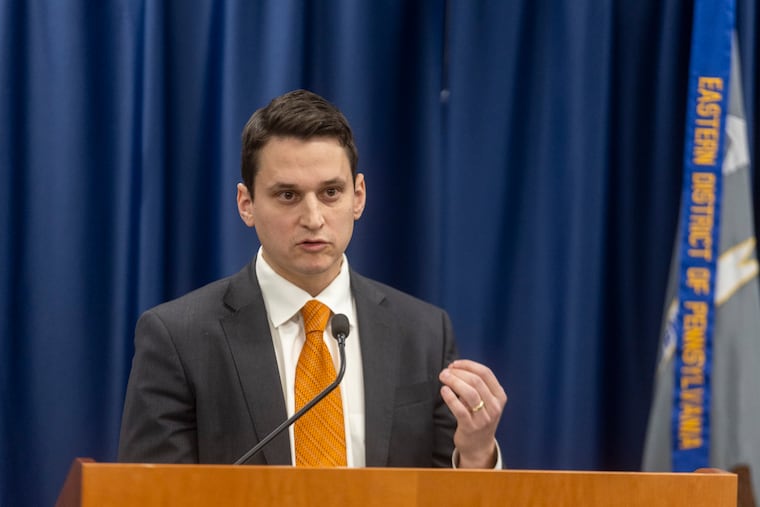
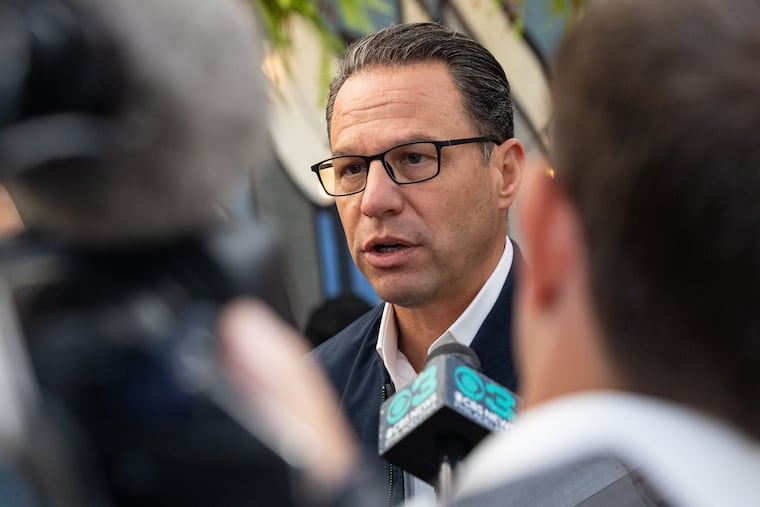
Gov. Josh Shapiro, a Democrat, said his administration will “continue to give Pennsylvanians clear public health guidance based on science and facts.”
Pennsylvania will not change its immunization guidelines in response to President Donald Trump’s executive order this week calling for states to reduce the number of recommended childhood vaccinations and separate a combination shot protecting against measles, mumps, and rubella (MMR).
Gov. Josh Shapiro, a Democrat, said his administration will “continue to give Pennsylvanians clear public health guidance based on science and facts.”
“President Donald Trump and [Health and Human Services Secretary Robert F. Kennedy, Jr.] are screwing around with the childhood vaccine schedule — ignoring decades of science, sowing chaos and confusion, and spreading dangerous misinformation that put kids and families at risk,” Shapiro said.
States set vaccination mandates for schoolchildren, not the federal government.
The order signed by Trump on Monday asks states to “consider updating” laws to require fewer vaccinations for all schoolchildren.
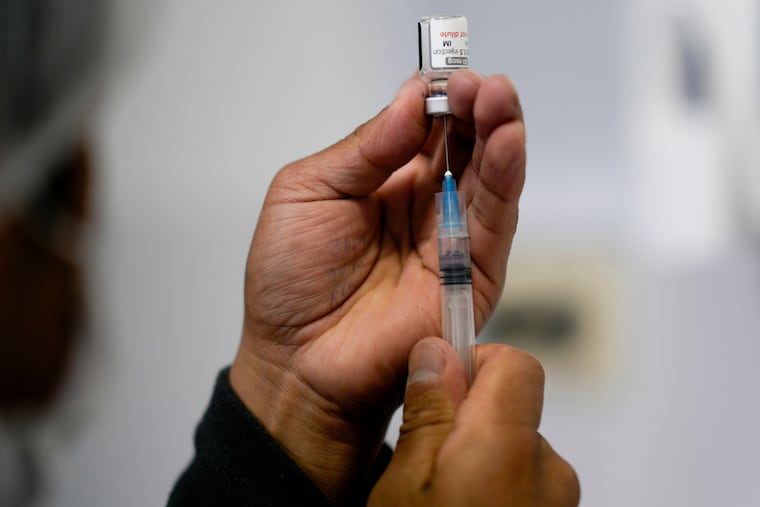
The order also recommends that children receive all vaccinations at separate appointments, which experts say can delay children’s protection against serious diseases.
And it gives Kennedy, a longtime anti-vaccine activist, 90 days to present Trump with a plan for a number of vaccine policy changes. Changes could include splitting the MMR vaccine into separate shots for each disease. There are currently no individual vaccines for measles, mumps, or rubella licensed in the United States.
“Splitting up combination immunizations, like the MMR vaccine, creates unnecessary hurdles for parents, needlessly extends the window of risk for our youngest residents, and doesn’t follow the results of the many studies that went into developing the previous vaccine schedules,” Pennsylvania Secretary of Health Debra Bogen said in a statement.
Trump’s earlier attempt to reduce the number of recommended vaccinations was blocked in federal court.
White House spokesperson Kush Desai did not comment directly on Pennsylvania officials’ decision to keep its original vaccine recommendations.
He said in a statement that Trump has pledged to reduce the vaccines recommended for all children, and the “administration is committed to delivering with Gold Standard Science and every lever of executive authority.”
“The countless parents whose questions and concerns about America’s vaccine schedule have been ignored if not mocked finally have a true champion in President Trump,” he said.
Vaccine politics under Trump
The new executive order is not binding, experts say, and states are free to ignore it.
Several states, including Pennsylvania, have already balked at Trump’s repeated attempts to upend longstanding childhood vaccination schedules.
In February, Pennsylvania and 14 other states sued to block changes to the childhood vaccination schedule.
And last year, when the Trump administration did not approve COVID-19 vaccinations for certain groups, Pennsylvania changed state policy to allow pharmacists to dispense vaccines based on recommendations from a number of professional medical organizations, including the American Academy of Pediatrics and the American Academy of Family Physicians.
Previously, pharmacists were asked to dispense vaccinations based solely on recommendations from a Centers for Disease Control and Prevention committee. Kennedy fired the entire committee and replaced them with hand-picked appointees last year, some of whom included vaccination skeptics. That action is also the subject of a court battle.
“The way to handle this is to ignore it,” said Paul Offit, the director of the Vaccine Education Center at the Children’s Hospital of Philadelphia and a prominent Kennedy critic.
“It’s not science based, it doesn’t make vaccines safer or more effective,” he said. “All it does is put children in harm’s way.”
He noted that despite longstanding concerns by anti-vaccination activists that children receive too many vaccinations, breaking up combination vaccinations like MMR would result in children getting more shots. “Kids would need six shots instead of two,” he said.
Logistics uncertain
Changing the kinds of vaccines available in the United States would take years, said Ana Santos Rutschman, a professor specializing in health law at Villanova University.
Trump could ask the Food and Drug Administration to approve separate measles, mumps, and rubella vaccinations, which would require extensive clinical trials and a long approval process, she said. And vaccine manufacturers may not attempt to develop new shots if Republicans lose control of the White House in 2028, she added.
“Right now, it’s unlikely anyone will reshift their operations,” she said. “It’s feasible — it’s just expensive, and the payoff is very small.”
The FDA could revoke licensing for the current combination MMR vaccines, but that would likely invite court challenges, Santos Rutschman added.
In the short term, she’s concerned that Trump’s repeated attempts to change longstanding vaccine policy will only confuse parents and providers who have relied on consistent recommendations from the federal government.
“Suddenly, you have our top regulators saying there’s a reason to hop to a different set of products. This is inherently confusing,” she said.

-
Inside Pa.’s measles outbreak: A family rides out the virus, doctors treat severely ill children
-
In Lancaster, measles cases are rising as providers try to combat low vaccination rates
-
More than 200 Philly-area schools are vulnerable to a measles outbreak
-
What are the measles vaccination rates in your district? See how your school compares.