Letters to the Editor | June 24, 2026
Inquirer readers weigh in on skill games in Pennsylvania and renovations at the Lincoln Memorial Reflecting Pool.
American graffiti
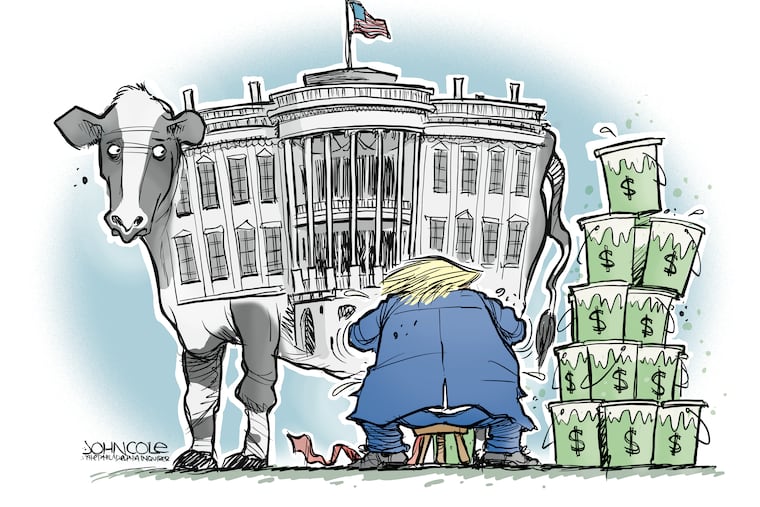
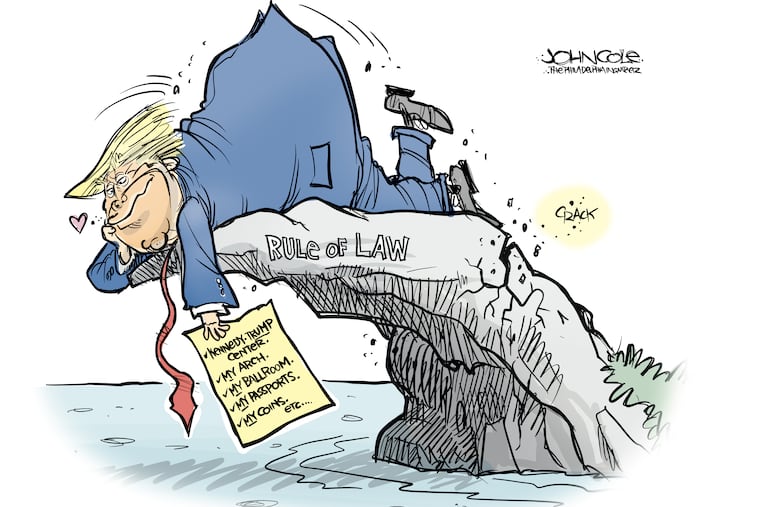
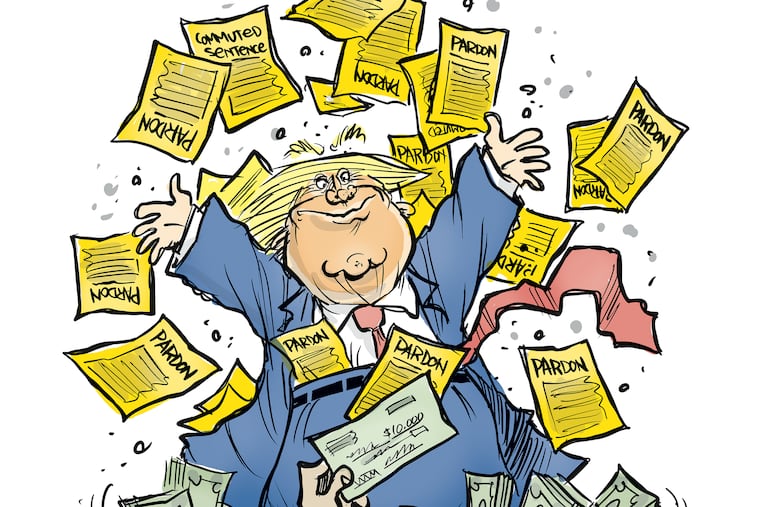
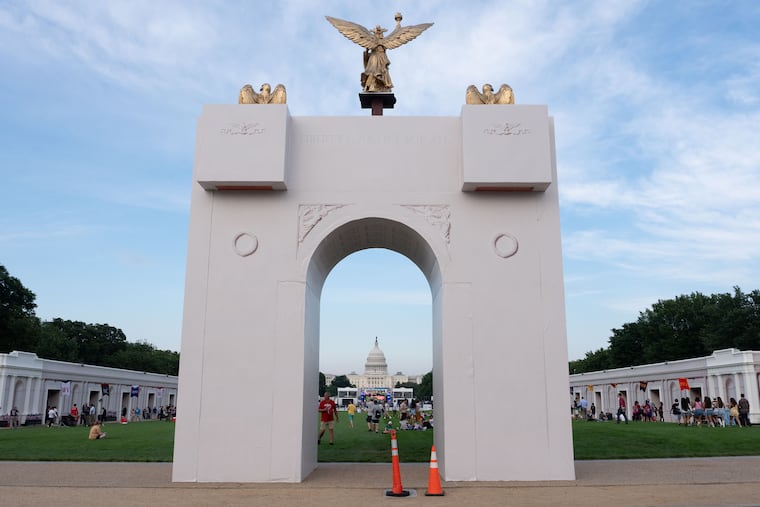
If, in the dead of night, someone had placed their name above John F. Kennedy’s name at the Kennedy Center for the Performing Arts, then drained and repainted the Reflecting Pool at the Lincoln Memorial after tearing down the East Wing of the White House, we would call it the biggest case of vandalism in U.S. history. The perpetrator might even face life in prison without parole. In this case, these acts were done by the president right out in the open with backing from U.S. taxpayers. If we were expecting help from his side of the aisle in Congress — or even a word of protest — we picked the wrong representatives. In addition to the expense of the projects and the sheer chutzpah in these undertakings, the results have been horrific. The Kennedy Center has lost performers and the backing of its subscribers. The algae-filled Reflecting Pool looks to be in a state of disrepair, and the pictures of the new ballroom look to be as garish as one would expect from a Trump project.
In the meantime, as Trump searches for the vandals responsible for the peeling paint in the reflecting pool, he might check in the mirror. His no-bid contracts and incompetent oversight are the culprits.
Elliott Miller, Bala Cynwyd
War enablers
On June 16, both of Pennsylvania’s U.S. senators voted against ending funding for the Iran war, which is far from over. This war was a mistake from the beginning and has steadily devolved into the abject humiliation it is now. It would be funny, except thousands are dead. I am sickened, in particular, at the callousness and lack of accountability shown by these two extraordinarily privileged men. I am sure they are both encouraging their children to enlist.
Andrew Clark, Philadelphia
Iran wins again
The Islamabad Memorandum of Understanding (MOU), an interim ceasefire agreement designed to end the U.S.-Iran war, has been universally condemned as one-sided, heavily favoring Tehran. The criticism, as noted by Trudy Rubin, stems directly from the lack of strategic depth displayed by a team of novice American negotiators.
With Steve Witkoff, a real estate developer, at the helm, a dangerous level of inexperience is driving our diplomatic strategy. America’s once-respected international statecraft has been replaced with naivete and appeasement, rendering our foreign policy apparatus impotent. This handicap will likely lead to a similarly disastrous outcome when the final terms of a peace agreement are negotiated in the coming weeks in Switzerland.
The Iranian delegation, composed of seasoned veteran diplomats, held a strategic advantage over the American neophytes in MOU negotiations. With that leverage firmly in place, a geopolitical victory for Iran, effectively U.S. terms of surrender, seems inevitable.
Jim Paladino, Tampa, Fla.
Skill game ban
The Inquirer’s recent editorial calling for a ban on “skill games” seemed to miss the mark.
While not a fan of these parasitic devices, there is a dearth of fairness in supporting an outright ban. Their prevalence and harm are undeniable, but they pale in comparison to the even easier access to phone betting. It would seem the only equitable solution is to tax skill games at the same rate as casino slots.
That outcome won’t sit well given the insidious, outsized influence established gaming has on lawmakers from Gov. Josh Shapiro on down — and that may be a good thing.
J. Savage, Philadelphia
Merci à nos amis
I was outside for a nice Father’s Day lunch at my son’s house in Hammonton when I heard the sound of multiple jets. As I looked up, directly overhead was the Patrouille de France, the official precision aerobatics demonstration team of the French air and space force. They were in two formations of four. This aviation nut was so happy for my own personal little air show.
“Liberté, Égalité, Fraternité”
Ed Truncale, Mays Landing
From the jaws of defeat
Twice this century, the Electoral College has decided the presidency in favor of candidates who lost the popular vote, with George W. Bush in 2004 and Donald Trump in 2016.
Those elections have led to a U.S. Supreme Court whose rulings have determined the Constitution supports limited presidential immunity, and that an element of women’s healthcare — abortion — is unconstitutional. Perhaps it is time to realize that the current framework of the Electoral College is a built-in barrier to democracy and an impediment to the promise that all men and women are equal under the law.
Joel H. Beldner, Glenmoor
Merit or privilege?
Your article on Stacy Garrity’s campaign for governor asserted that “Republicans, in particular, often emphasize that candidates should rise on their skills and talent, not personal identity.” Garrity, herself, is quoted as claiming, “Republicans, for the most part, are based on merit, and that’s how I was raised.”
It’s bad enough when Republicans delude themselves into believing this. But it is really unfortunate that an Inquirer reporter does not notice that current Republicans seem focused on merit only when they criticize and undermine women and people of color who have advanced in the military, been admitted to Ivy League colleges, etc., because they assume such people could not have been chosen based on merit. However, when they support Donald Trump appointees — most of them white males — who lack the fundamental skills and knowledge and experience required to do these critical government jobs, they seem to have abandoned their focus on merit. Or are they just assuming that being male and white are guarantees of merit?
Vicki W. Kramer, Philadelphia
Yes, we can
Thankful is what I am. It is brutal to have to listen day in and day out to a leader who thinks a barrage of lies, threats, and incompetence delivered transparently annuls the distrust, hatred, and divisiveness it foments. How in the world did we get into this predicament in the first place?
So, I was rapt listening to decency, humility, and character delivered so eloquently by former President Barack Obama during a live broadcast of the opening of his presidential library. I believed him when he said it was in our hands to bring this country back from the abyss. We can rebuild an America where everyone counts with fairness, common sense, and mutual respect.
William Cohen, Huntingdon Valley
Common thread
The Inquirer’s recent article about the sewing table donated to the Betsy Ross House reminded me that Ross was a dedicated patriot as well as a flag maker.
Ross’ first husband, John, joined a militia and was killed in a gunpowder explosion in January 1776. Four months later, according to lore, her husband’s uncle, George Ross, visited her with George Washington and Robert Morris to ask if she would make a new flag. Secrecy was paramount because a new official flag, if discovered, likely would be seen by loyalists and the crown as evidence of the colonies’ final break for independence. (In fact, many colonists continued to have hopes for a negotiated constitutional monarchy in the early years of the war.) During this time, the Grand Union flag was often flown (sporting a canton with the Union Jack’s crosses of SS. George, Andrew, and Patrick), and included 13 stripes added to that canton. Washington’s canny decision to maintain a connection to Great Britain was strategically a smart one.
The lack of definitive information from those secretive times might explain why Ross’ work would be kept under wraps until the new American flag was officially proclaimed on June 14, 1777.
Pat Jordan, Wayne
Join the conversation: Send letters to letters@inquirer.com. Limit length to 150 words and include home address and day and evening phone number. Letters run in The Inquirer six days a week on the editorial pages and online.