A singular grief
An audacious 29-year-old from Philadelphia had a spot saved in Jimmy Carter’s West Wing when a grenade at Istanbul Airport took his life in 1976. But 50 years on, he’s still making a difference.
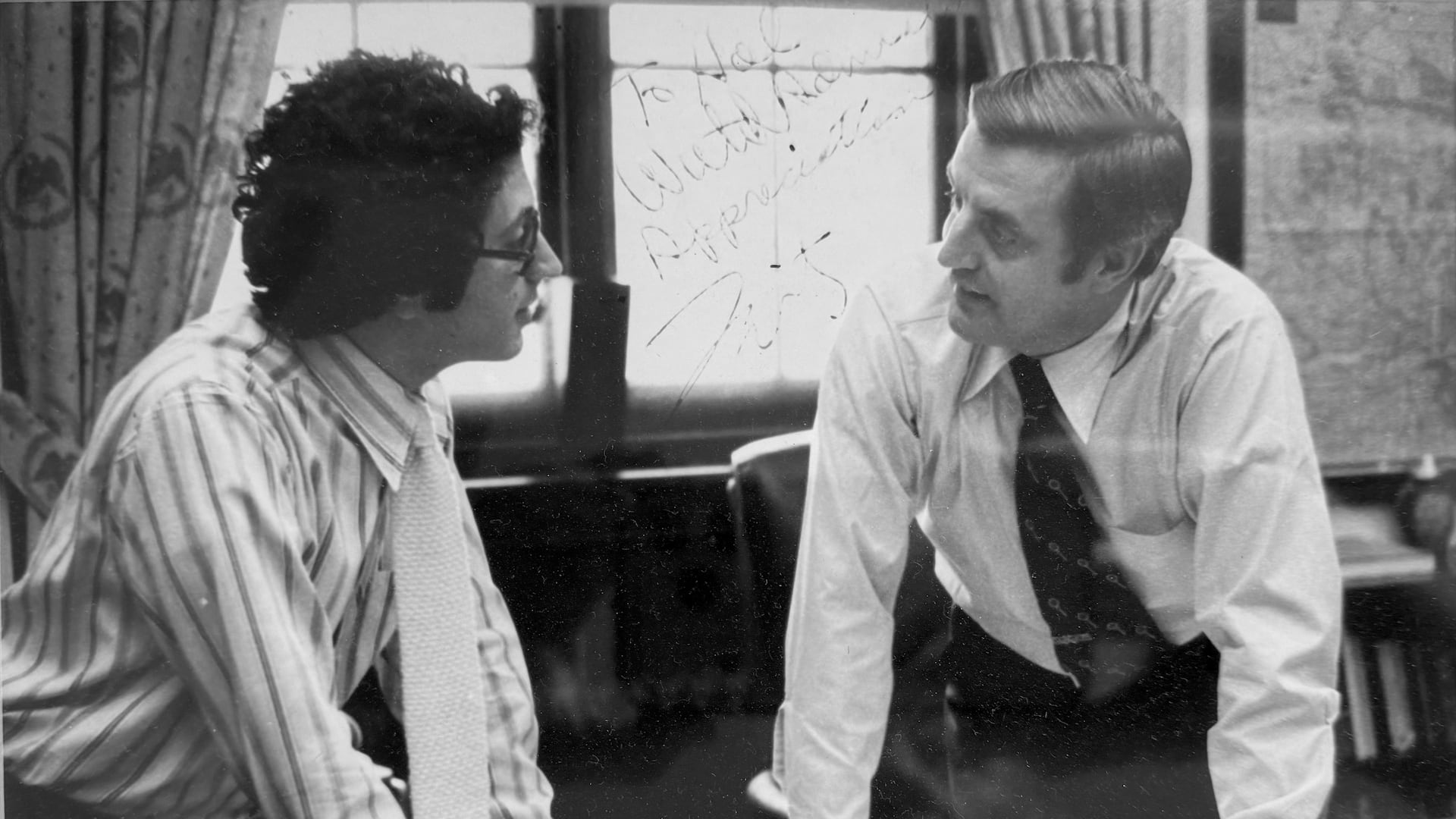
Fifty years ago this Aug. 11, my brother Harold Rosenthal was late for a plane out of Istanbul bound for Jerusalem. He was always late — school, appointments, parties, or late finishing dinner at Horn & Hardart’s, the only restaurant working-class families patronized in Philly then.
While my younger brother Norman and I agonized on the sidewalk, Harold would take bites of food in between whatever book he was reading, a passion cultivated when he was a student at Central High in the early 1960s.
On this August day his tardiness put him near the back of the line at the gate for El Al Airlines. At the time, Harold was working as a senior aide to Republican New York Sen. Jacob K. Javits. He was heading to Israel as part of an assignment for the Senate Foreign Relations Committee, which had sent him on a tour of American embassies in the Mediterranean, ending with a seminar at Jerusalem’s Van Leer Institute.
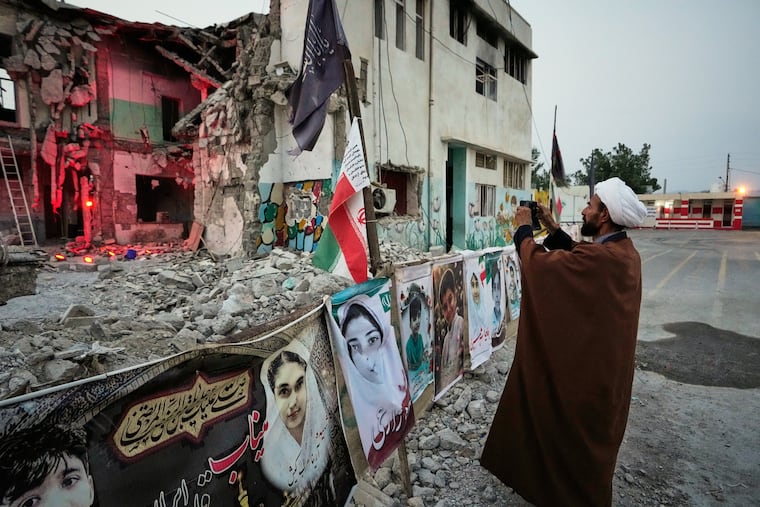
Four gunmen from the Popular Front for the Liberation of Palestine stormed the gate in an attempt to hijack the plane. When guards blocked them, they opened fire and then threw a grenade. Four people were killed, including Harold. He was only 29.
Fifty years on, I’m certain Harold’s improbable rise was built in Philadelphia.
We grew up in a rowhouse on Tulpehocken Street in West Oak Lane, the kind of block where everyone knew everyone and you learned early which streets were yours to walk down and which weren’t.
Our parents worked hard but nearly lost that house to foreclosure twice. No kids had cars back then, which was fine. You walked to Pennypacker Elementary and then, to get to Wagner Junior High, Central High, and Temple University, you learned the buses, trolleys, and subways.
Out of this modest life, Harold built a career in a world that seemed unknowable to the rest of us — all on his own. We didn’t have a word yet for “nepo baby” because no one we knew had money or connections. But Harold was audacious about wanting more. That audacity carried him to a scholarship in France, then Cambridge University in England, and finally Harvard.
I was awed by his fearlessness. At Cambridge, seated at the back of a church for an Advent Carol service, he watched choristers slip through a side door and, deciding his seat wasn’t good enough, followed them. His friends — the ones who’d never dare follow — watched an hour later as he processed down the aisle in white robes, candle flame dancing, past Prince Charles, biting back a laugh.
That was Harold in full: certain that any door marked not for you was the one worth opening.
After Harvard, his climb was stunning. Legislative assistant to New York Rep. Hugh Carey, then for Sen. Walter Mondale of Minnesota, a stint at the Rockefeller Brothers Fund, and finally a senior adviser to Javits.
Sen. Mondale had already told him that if Jimmy Carter won the White House in November, there’d be a staff position for Harold in the West Wing or as part of an undersecretary’s desk at the State Department. A public school kid from a Philly rowhouse, one election away from the top of the government.
That August I took a position as a teaching assistant at the University of the Pacific in California, more hiding from adulthood than pursuing a doctorate. Our younger brother, Norman, was already on his way to an influential career as an endocrinologist.
If my future was uncertain, Harold was rewarding my overworked parents with the gift of an insider’s view of his rise. He always shared his itinerary, printed on Senate stationery, with my mother, who tracked this Mediterranean tour almost hourly. He was only passing through Istanbul.
I was at a going-away dinner near Penn when I called home and heard the fear in my mother’s voice — something about an attack on an El Al flight. There was no cable news then, no way to know. I quickly said my goodbyes and drove to Roxborough.
I opened the door to find my mother collapsed on the floor and my father — who’d flown with the Flying Tigers in China during World War II, and who’d lost his own cousin on D-Day — slamming his head against the wall. A stranger from the State Department had called and quickly said, “We regret to inform you that your son is dead. Someone will contact you soon.” That’s all.
I’m certain Harold’s improbable rise was built in Philadelphia.
It took time to bring Harold’s body home. Turkish law required an autopsy first, and a friend of Harold’s quietly warned me it would leave him unrecognizable. Waiting for Harold, my father consoled himself with the fact he’d be able to see his son one last time. In the back of a limo to Roosevelt Cemetery, Norman and I had to tell our father the casket would be closed — one of the hardest sentences I’ve ever spoken.
Sens. Mondale and Javits both eulogized Harold at the funeral on Broad Street. Weeks later, after a memorial at the Capitol, I sat with my parents outside, silently, in the brutal heat and viscous humidity waiting for a valet to find their car, which had been misplaced. Watching people coming and going up and down the marble steps, I realized this world wouldn’t stop for Harold. It doesn’t pause for anyone. It was already looking for his replacement.
Years later, because of a new thing called the “internet,” we were handed a second wound. Just a year after the attack, a Christian-supremacist cult leader had fabricated a grotesque “Rosenthal Interview,” inventing a confession in which Harold revealed how Jews secretly run the government. So witless — it was dated a year after Harold died. It was too absurd to survive anywhere but in fringe pamphlets — that is, until the internet gave it a permanence no pamphlet ever could.
What outlasted the hoax is the Harold Wallace Rosenthal Fellowship in International Relations, founded by his friends in 1977. Fifty years and over 300 fellows later, it’s still helping ordinary students from ordinary families into congressional offices and embassies — through the same door Harold forced open with nothing but nerve.
The night Harold’s shiva ended, sitting in my parents’ now quiet apartment, I demanded of myself to learn something from Harold’s death. Two things happened. First, I admitted the only thing I actually cared about was movies, not academics, and after my doctorate was done, I packed my car, which had been Harold’s car, and drove to Los Angeles to figure out a way into the movie business.
Second, I swore never to hear news the same way again. We measure disasters in body counts — just two, just eight — a statistic filed away and forgotten by people with their own lives to return to. I promised myself I’d stop, every time, and imagine the families behind each number.
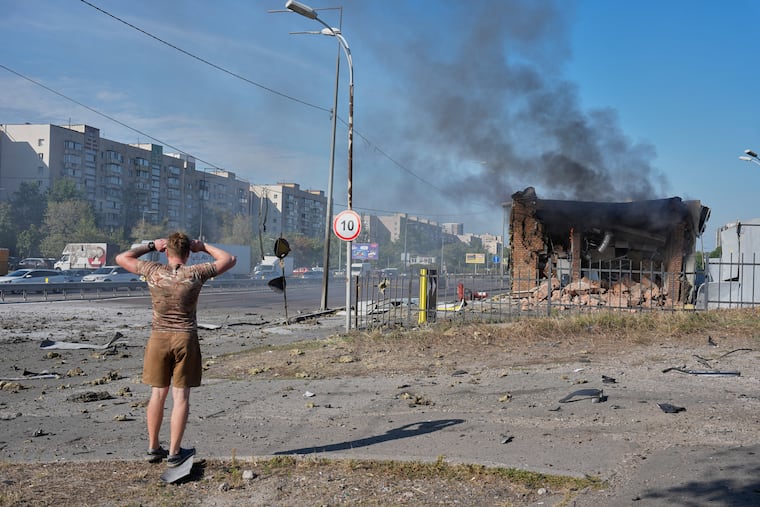
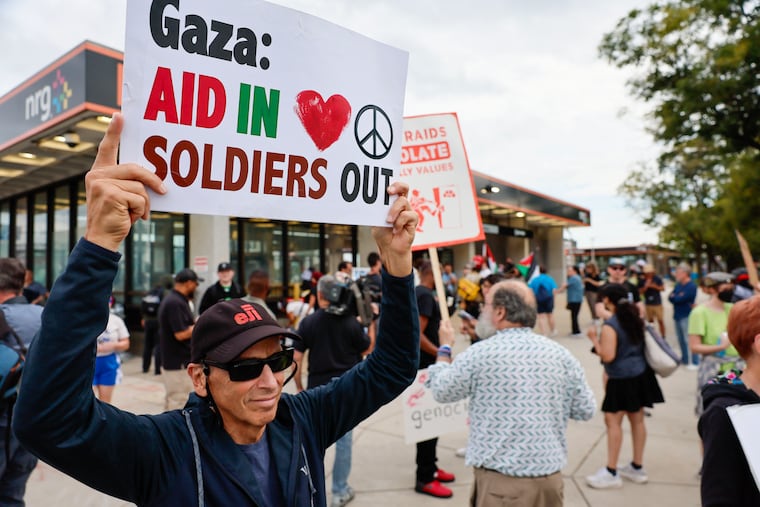
In floods in Texas. In Gaza. In Kyiv. The dead are aggregated. Grief is always singular. Every one of those numbers is somebody’s brother, somebody’s family.
Mine was Harold.
Mark David Rosenthal is a writer and producer of film and television. He is a member of the Motion Picture Academy of Arts and Sciences and the Writers Guild of America, West. He was nominated for an Emmy for the 2016 miniseries, "Roots," and his WGA credits include “Mona Lisa Smile,” Tim Burton’s “Planet of the Apes,” and “The Jewel of the Nile,” among many others.