Commentary: Drug-import proposal would compromise safety
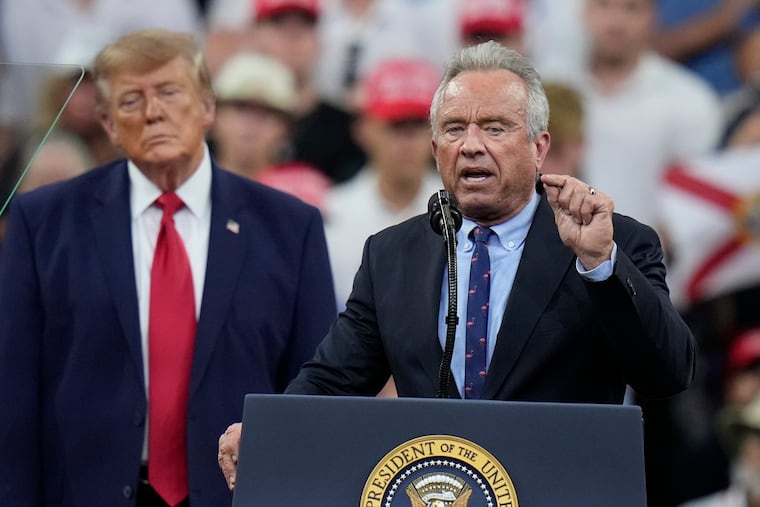
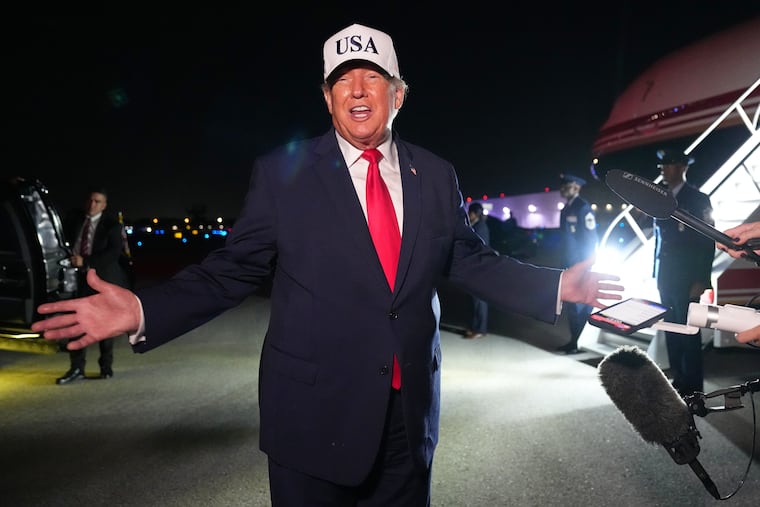
By Robert Blancato Presidential front-runner Donald Trump recently unveiled a proposal that would authorize Americans to buy prescription drugs imported from countries like Canada. The measure sounds appealing; who wouldn't want cheaper medicines from our northern neighbor's safe pharmacies?
By Robert Blancato
Presidential front-runner Donald Trump recently unveiled a proposal that would authorize Americans to buy prescription drugs imported from countries like Canada. The measure sounds appealing; who wouldn't want cheaper medicines from our northern neighbor's safe pharmacies?
Unfortunately, there's a reason this proposal sounds too good to be true: It is.
While seemingly sensible, drug importation is a terrible idea that would put Americans at risk of harm from impure, unsafe, and counterfeit copies of prescription drugs. If he actually follows through on the proposal, Trump will be showcasing the art of the bad deal for American patients.
He talks about how he wants to "remove barriers to entry into free markets," including "allowing consumers access to imported, safe, and dependable drugs from overseas." What he doesn't say is that the United States has a safety regimen that is second to none and that depends on its being essentially a closed system. The Food and Drug Administration goes to tremendous lengths to ensure the safety and effectiveness of drugs sold here, including a requirement that they be manufactured only at plants that register with the agency, maintain strict manufacturing safeguards, and undergo regular inspections. In addition, pharmacists and wholesalers have to be licensed, providing another layer of safety.
Breaking open this closed system invites abuse and increases risks because there would be no good way for consumers "to know whether drugs sold outside the U.S. meet FDA standards," according to one agency document.
John Taylor, an FDA associate commissioner for regulatory affairs, recently told Congress that "consumers are exposed to a number of potential risks when they purchase drugs from foreign sources or from sources that are not operated by pharmacies properly licensed under state pharmacy laws." He went on to cite numerous risks, including counterfeit, expired, contaminated, or incorrectly labeled drugs.
Those who back allowing imports say drugs sold in Canada and other industrial countries are often the same products, but because of price controls imposed in those countries, they can be bought for far less than in the United States. But as the FDA put it, supposedly "Canadian" drugs "may be coming from some other country and simply passing through Canada." In fact, one FDA operation found that 87 percent of drugs promoted as being of Canadian origin actually came from 27 different countries around the world. Many of those countries have abysmal quality controls. And Canadian officials don't inspect drugs that are shipped into Canada and then sold internationally.
Even with all the current restrictions on drug imports, the FDA already faces a serious problem of counterfeiters and scam artists who sell drugs online. Policing such sales would become exponentially more difficult if the government started telling consumers that it's OK to buy drugs from abroad.
Those who support drug importation no doubt sincerely want to help patients. How would they feel if patients with treatable cancers started dying because they received counterfeit chemotherapy drugs? Or when patients had severe, even deadly reactions from shoddily manufactured or improperly labeled treatments?
Drug importation would particularly harm poor seniors - precisely because their tight, fixed-income budgets would pressure them to turn to cheaper but potentially dangerous foreign imports.
Blocking imported drugs isn't about free markets or competition. Most drugs sold in the United States already compete against generic versions or other drugs designed to treat the same illness. And for all the hoopla about a few high-priced breakthrough drugs, pharmaceuticals account for less than 10 percent of national health spending.
Whatever limited, short-term savings might be gained from importing cheaper drugs would be vastly outweighed by the harm of breaking down the world's best system for ensuring the safety and effectiveness of prescription drugs sold in America.
Robert Blancato is the executive director of the National Association of Nutrition and Aging Services Programs. rblancato@matzblancato.com